Politzek.org
Turning empathy into action for Russia’s anti‑war political prisoners.
- My role
- Product designer and design lead: user flows, IA, visual concept, UI kit, storytelling, handoff
- Team
- Illustrator, data viz developer, UX writer, product owner, two full‑stack developers
- Timeline
- 72‑hour DemHack 7 sprint, Sep 29 – Oct 1, 2023; volunteer work; public launch Feb 25, 2024
- Tools
- Figma, Procreate, Photoshop, Illustrator, Midjourney
- Platform
- Responsive web (React). Blocked in Russia, reachable through VPN and mirrors
- Live site
- politzek.org
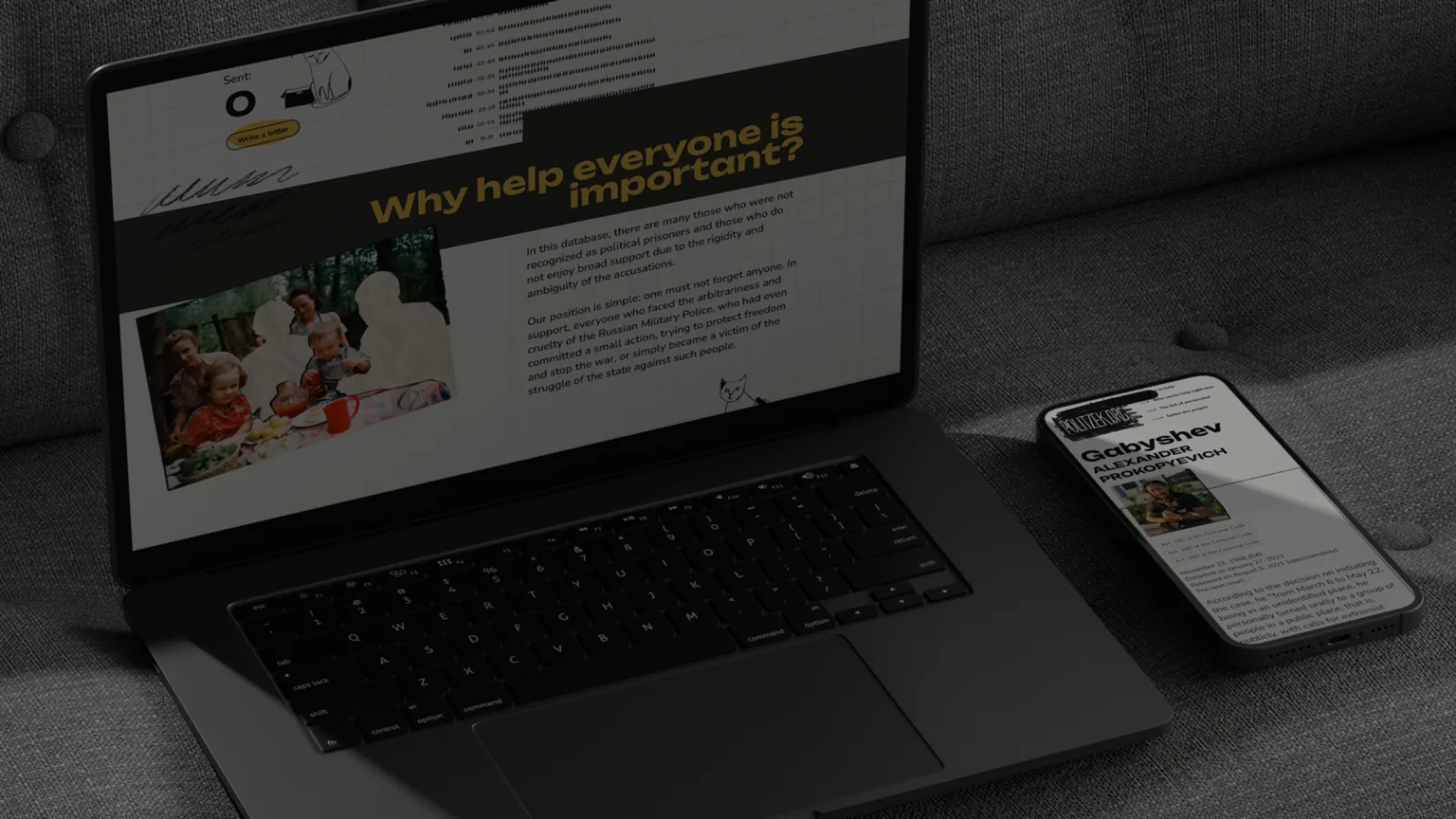
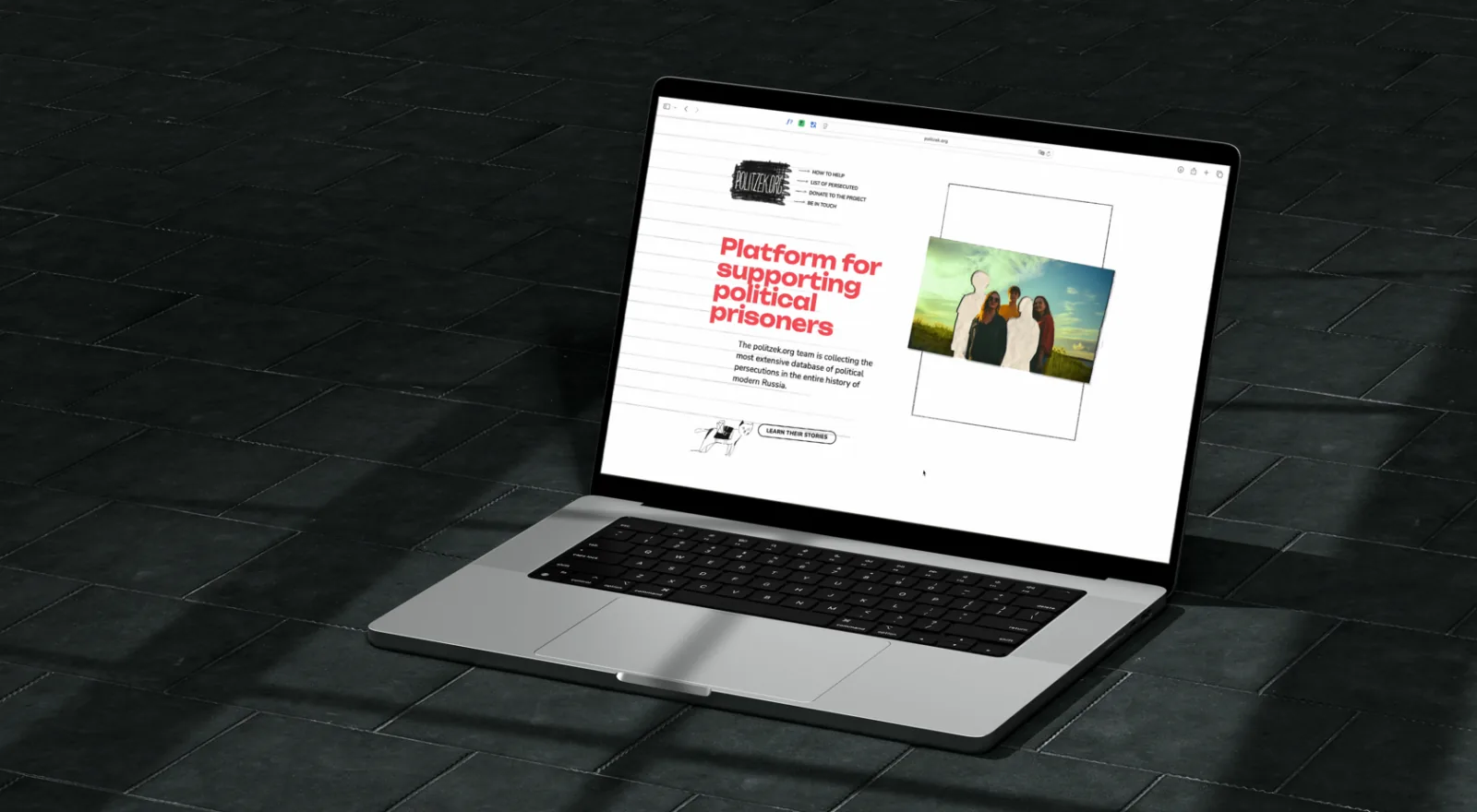
Politzek.org is a volunteer‑driven platform that supports Russia’s anti‑war political prisoners. After the state crackdown, reliable information was scarce and helping felt hard. I was the lead product designer. My job was to make helping simple: a letter builder for people who don’t know what to write, a parcel guide, share cards, and a warm tone in place of the usual grim one.
It became the largest open database of anti‑war political prisoners in Russia, with more than 7,800 profiles. Four months after launch the Russian censor blocked it.
Context
The project started after the full‑scale invasion of Ukraine, when repression in Russia escalated. Memorial and other human rights organisations were shut down, and the prisoner databases that survived went stale or offline. Nobody kept one reliable list of people jailed for speaking against the war. People who wanted to help hit two walls. They didn’t know whom to help, and writing to a prison or sending a parcel felt intimidating.
The problem
Fragmented, inaccessible data
Existing prisoner lists were incomplete, outdated or offline. Reliable information was scattered and hard to verify.
High activation energy
Writing letters or sending aid felt intimidating. Many potential supporters didn’t know what to say or how to navigate the process, especially from abroad.
Emotional fatigue
Months of news about arrests wore people out. The sombre design of existing sites made it worse.
Lack of coordination
Activists had no shared platform to coordinate aid and avoid duplicating effort.
Barriers for newcomers
People new to activism struggled to find a starting point or to see who needed help urgently.
The goal
One portal that:
- lists every known anti‑war political prisoner in Russia, the most complete open database there is,
- makes supporting them simple and rewarding: letters, donations, care packages, spreading the word,
- feels hopeful to use.
My role and the team
As lead product designer on this entirely volunteer project, I covered the full design cycle: user flows and information architecture, visual identity and storytelling, wireframes and interactive prototypes, the UI kit, design task management, user validation and developer handoff.
I worked closely with an illustrator and graphic designer, who created the visual style and the mascot, a data visualisation developer, a UX writer who joined later, the product owner with deep domain expertise, and eventually frontend and backend developers.
Research
Formal research was limited by the volunteer context. Our approach drew on these sources.
Team and product owner expertise
Years of human rights work, so the team knew what activists need and what prisoners go through.
Expert insights
Conversations with activists who run letter‑writing evenings, and prisoner testimonies, for example from Yashin and Kara‑Murza, on how much letters matter.
Competitive analysis
A review of Russian and Belarusian platforms such as Politzek.me and Vkletochku.org showed patterns that work, like letter builders, and gaps to close.
Key insight
Blank‑page anxiety was a major deterrent. Removing that one obstacle to writing a letter could significantly raise participation.
Key user needs
- Reliable, up‑to‑date information about specific prisoners.
- A simple way to write letters or offer other support.
- Clarity on who needs support most right now.
- Seeing the impact of their actions and feeling connected to the cause.
- For relatives: an easy way to update information.
Proto‑personas

Design process
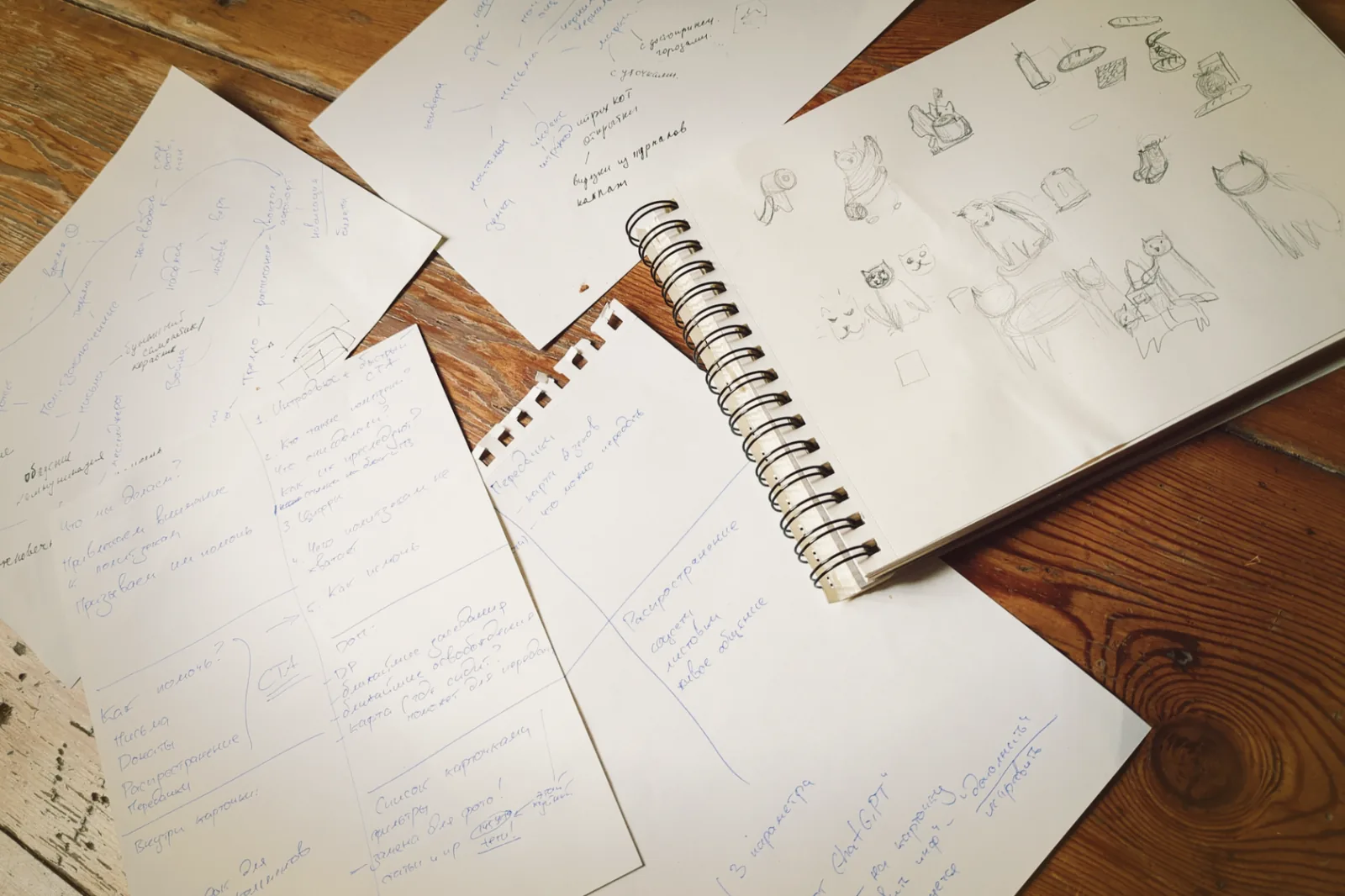
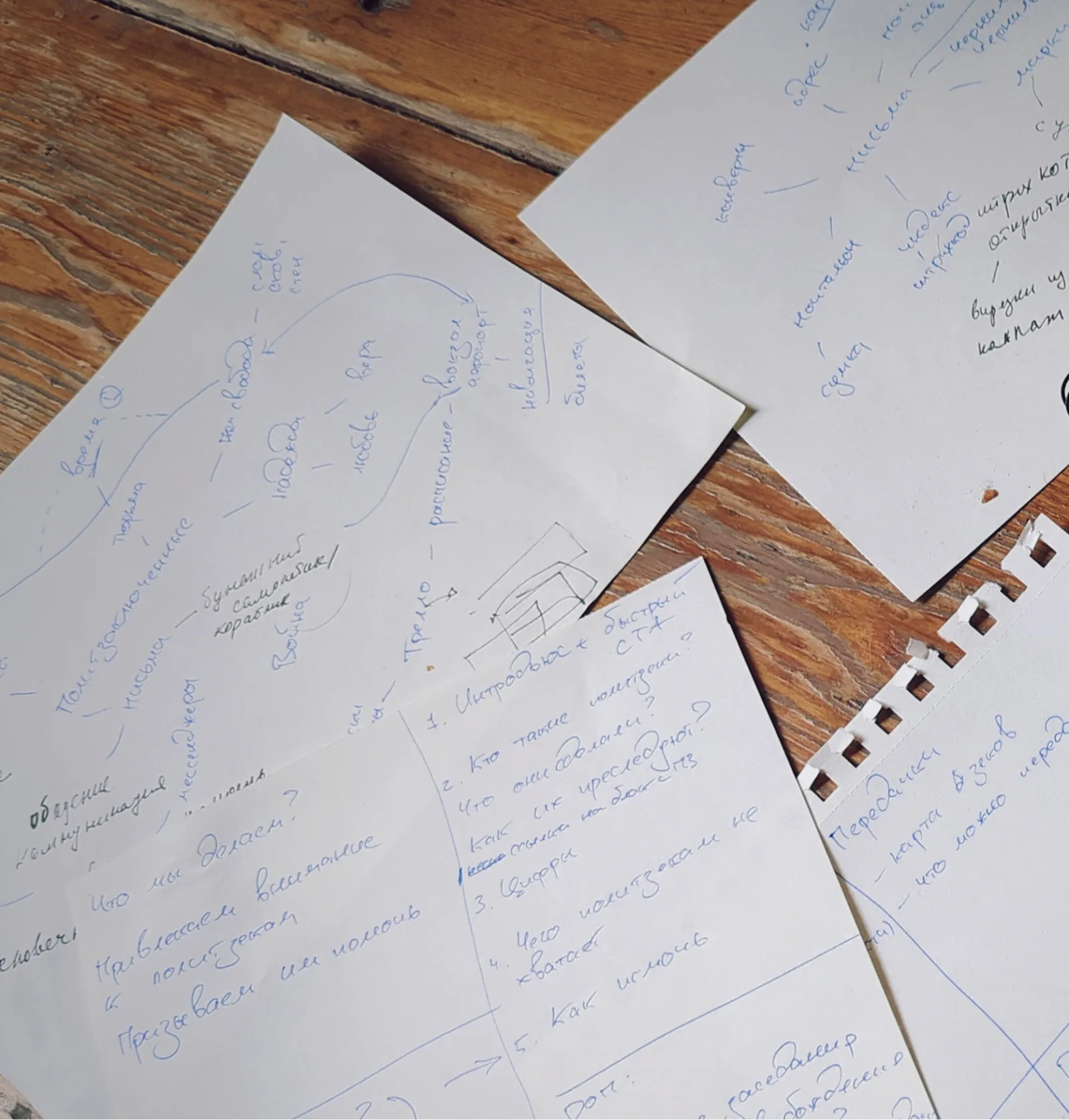
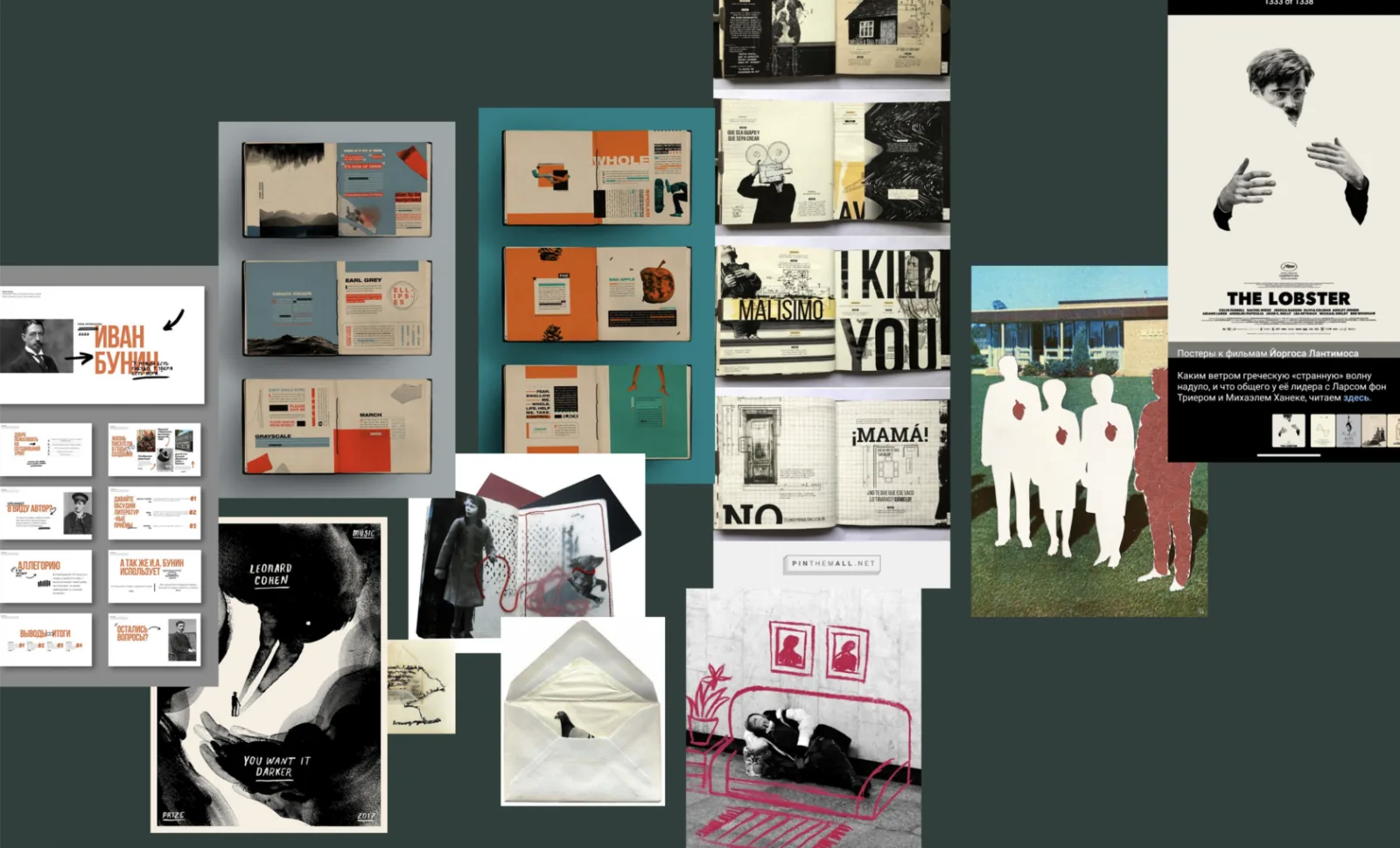
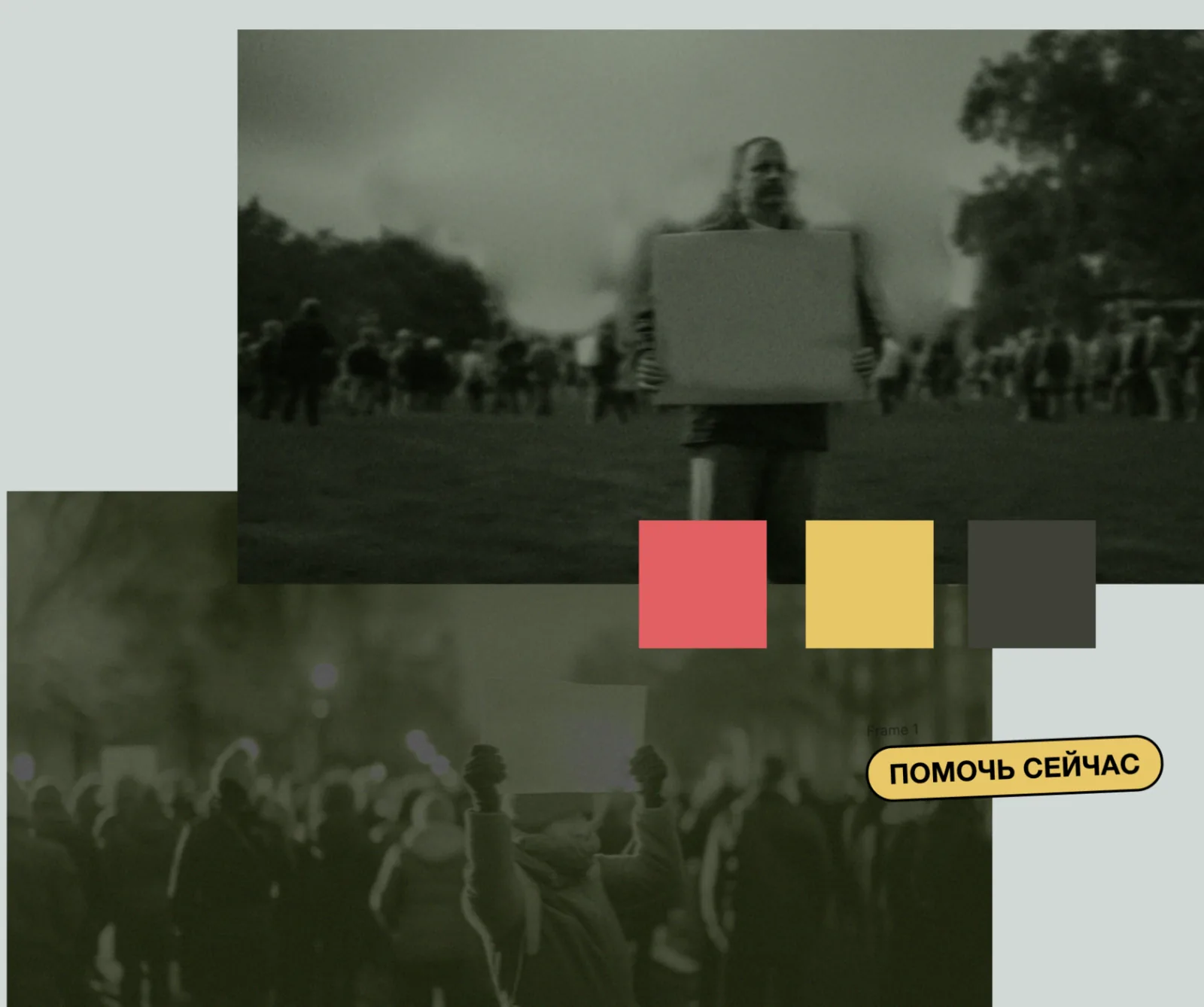
The project started as a hackathon concept and grew through volunteer work.
Hackathon sprint, 72 hours
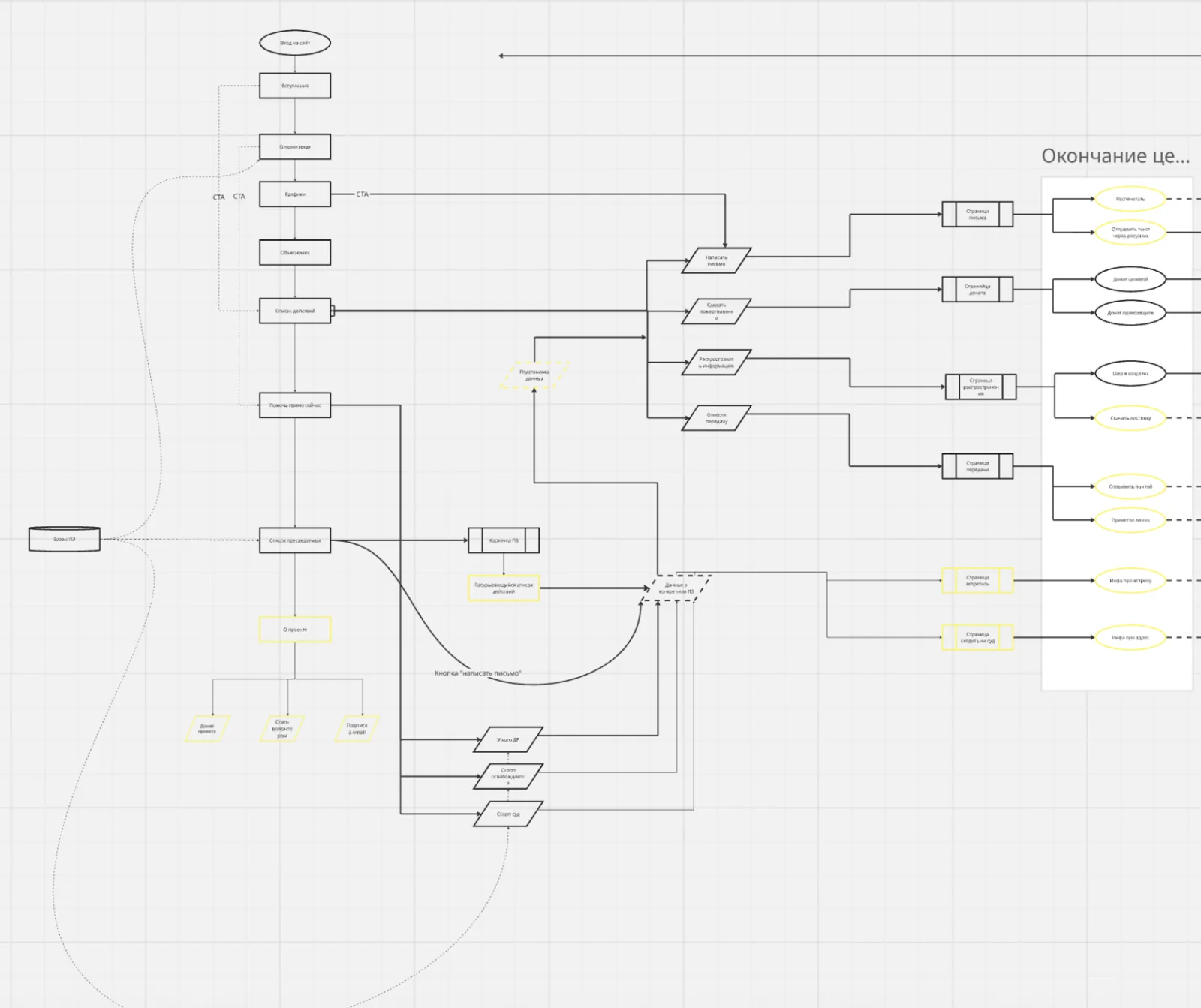
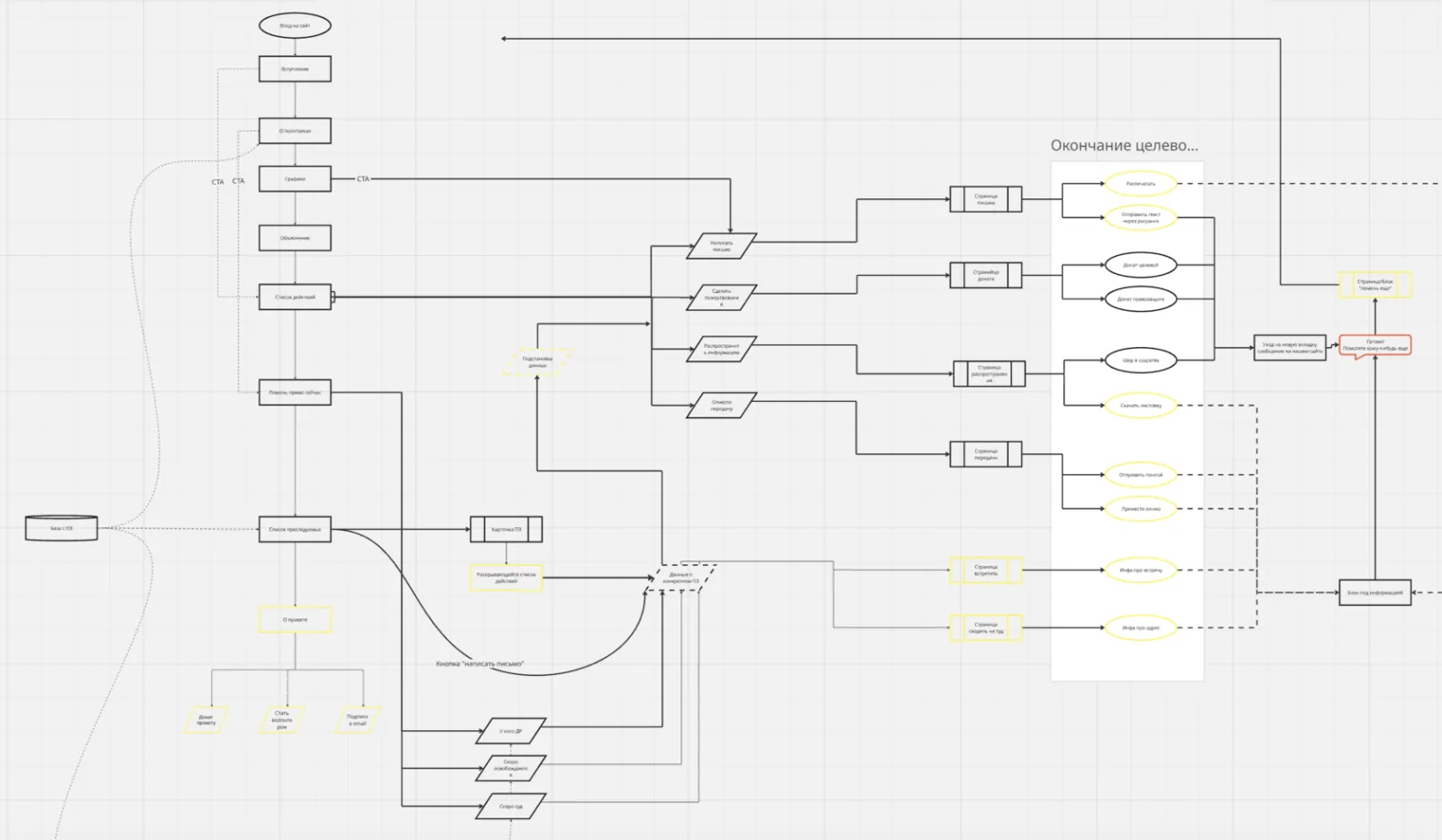
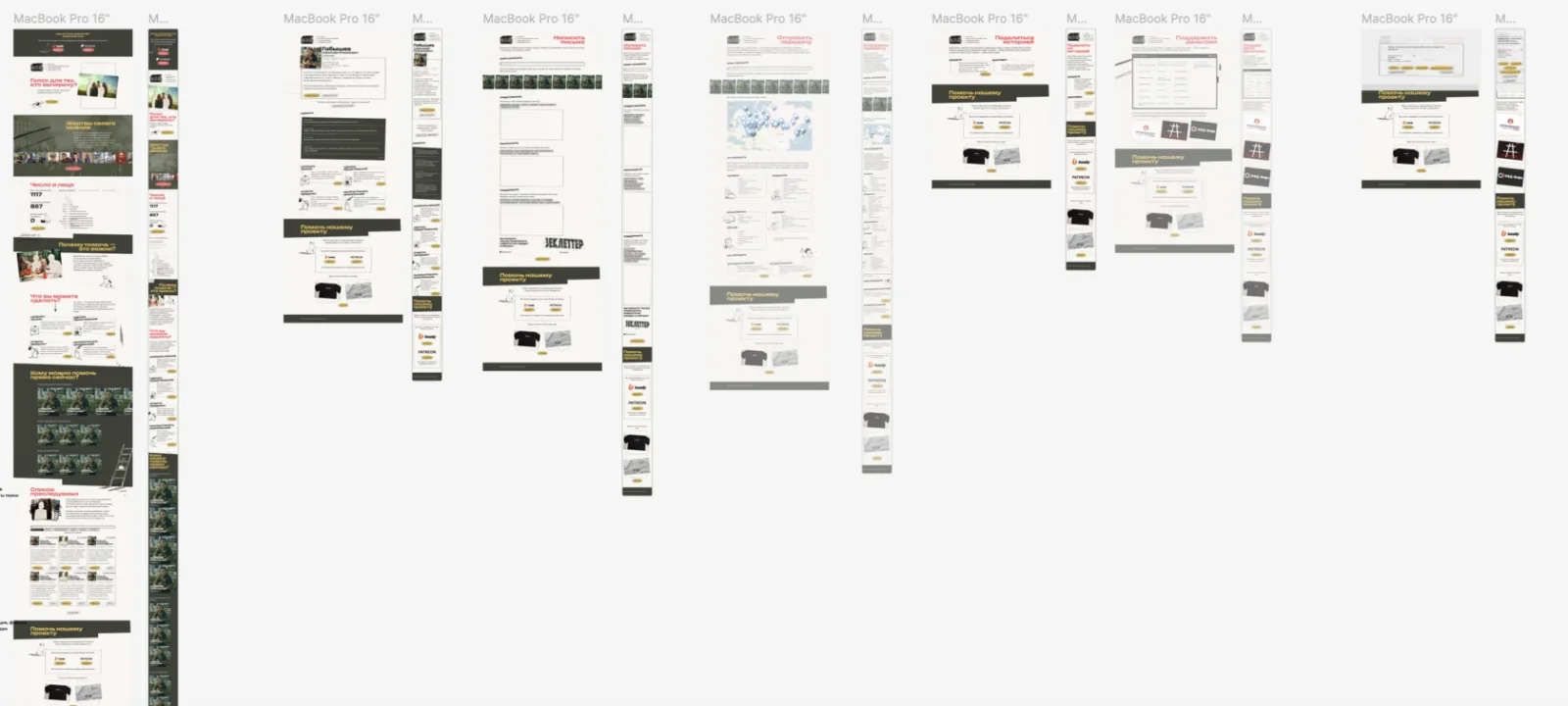
Brainstorming, the core visual metaphor, IA mapping, six key screens (home, prisoner profile, letter builder, donations, share hub, parcel guide) and an interactive Figma prototype.
Post‑hackathon refinement
Developing the concept into a full platform with the volunteer team.
Key design decisions
What we chose, and why.
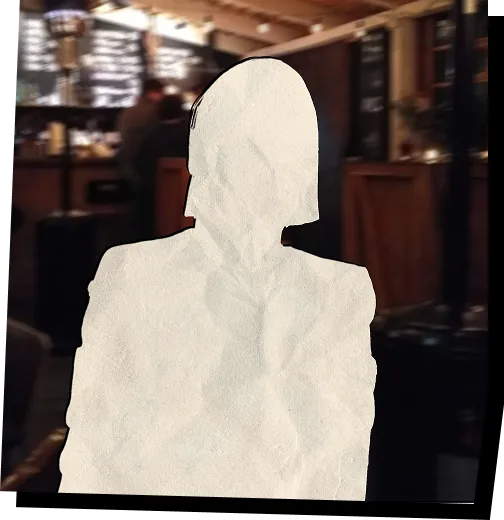
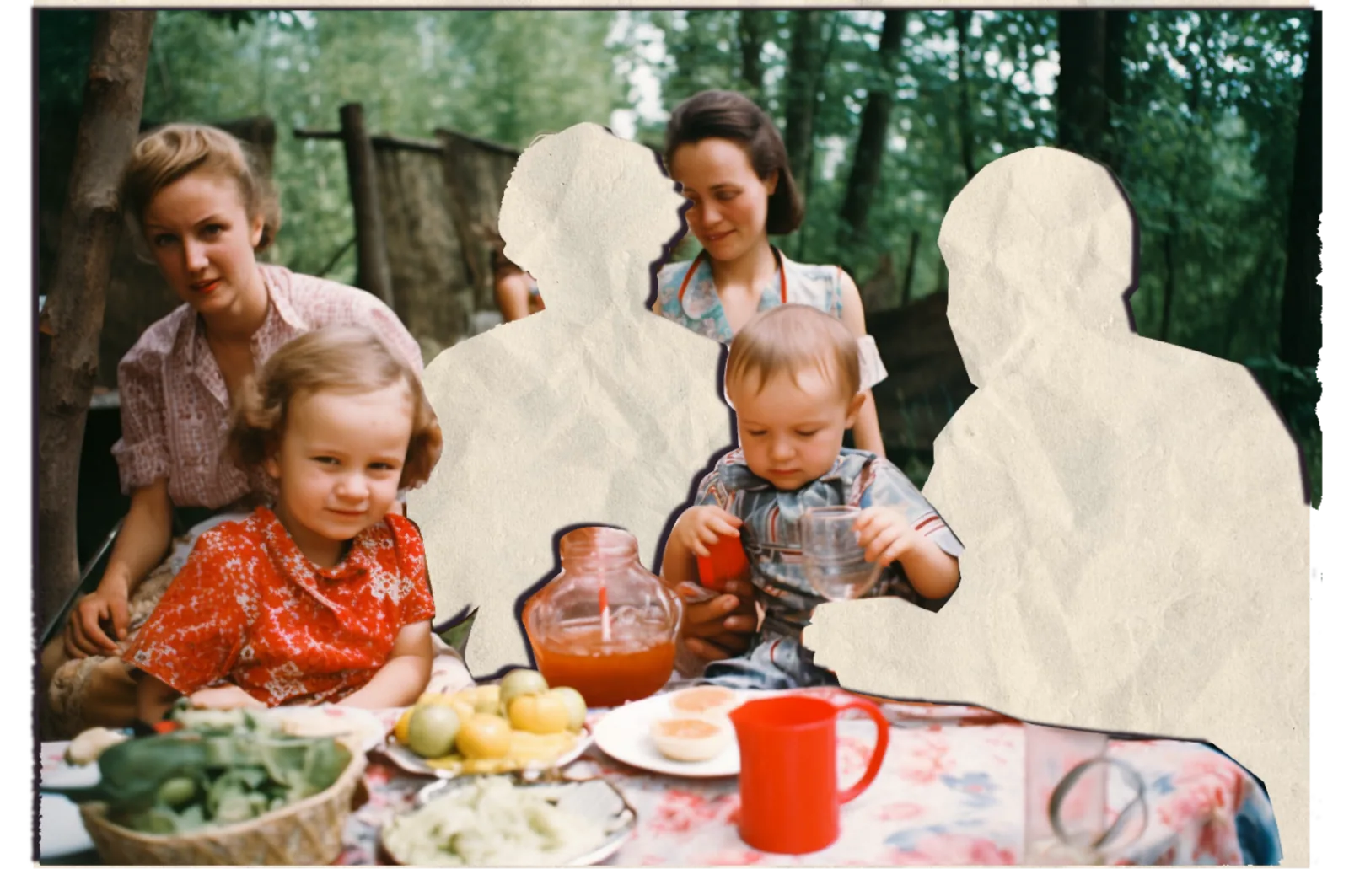
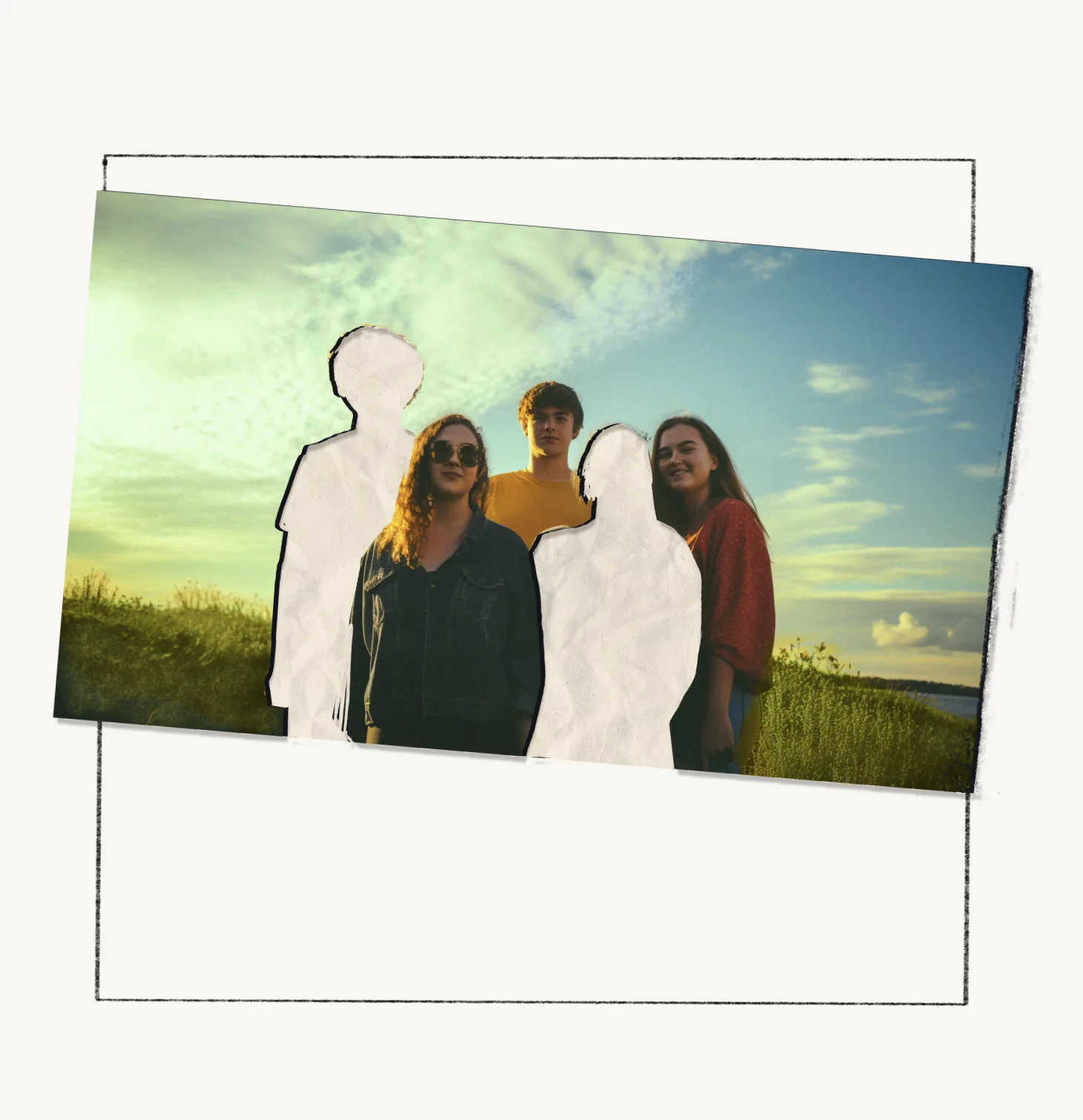
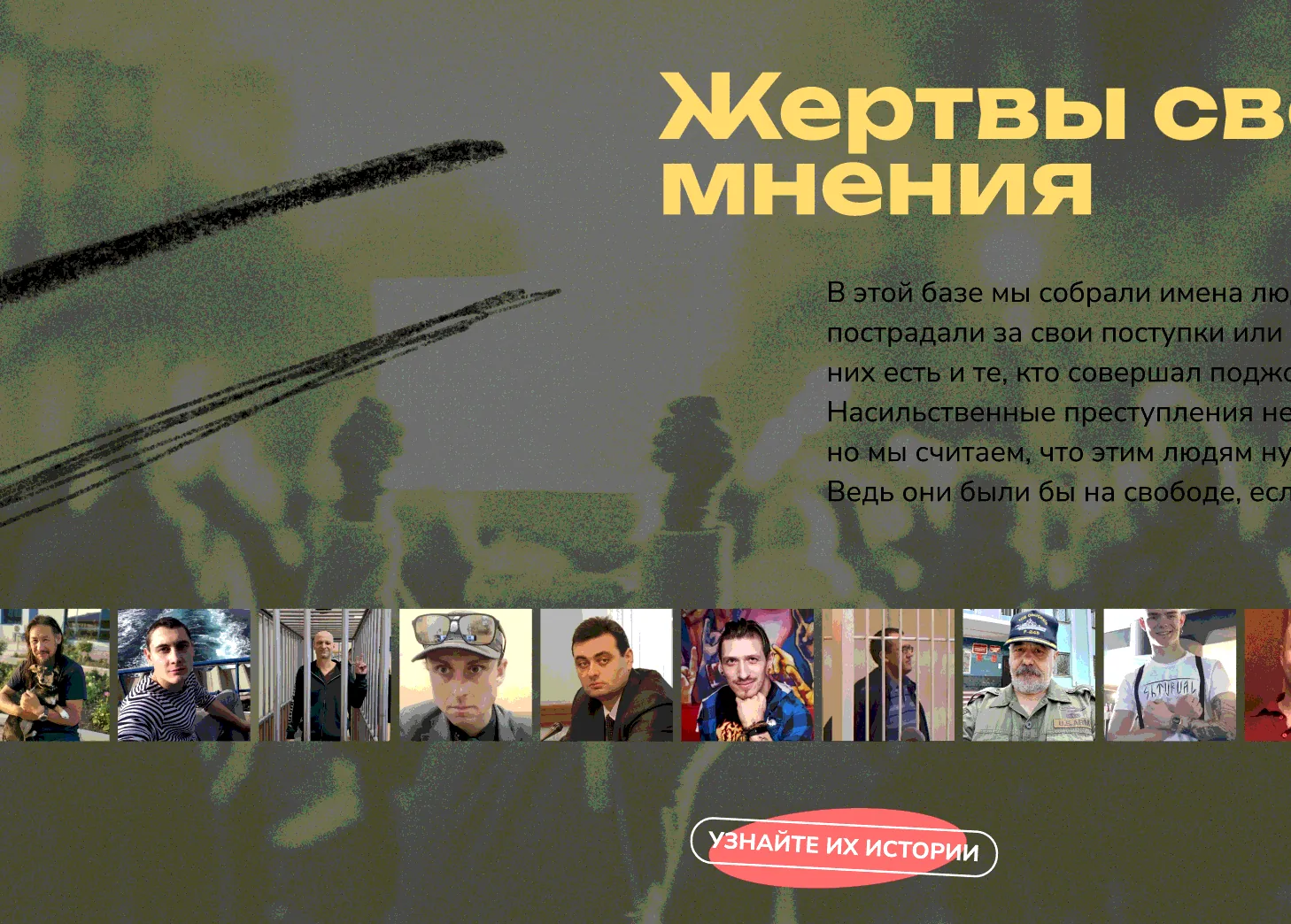
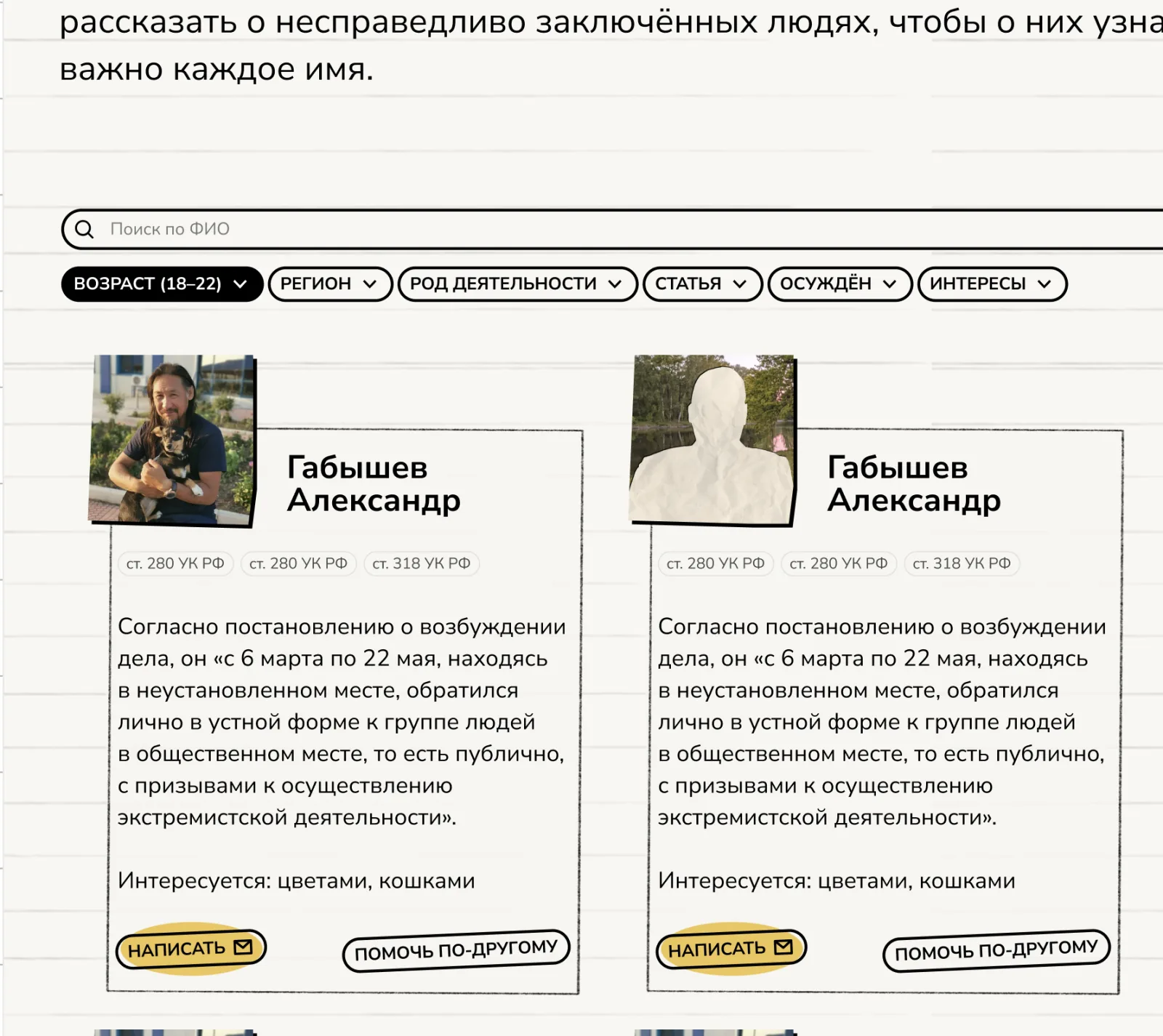
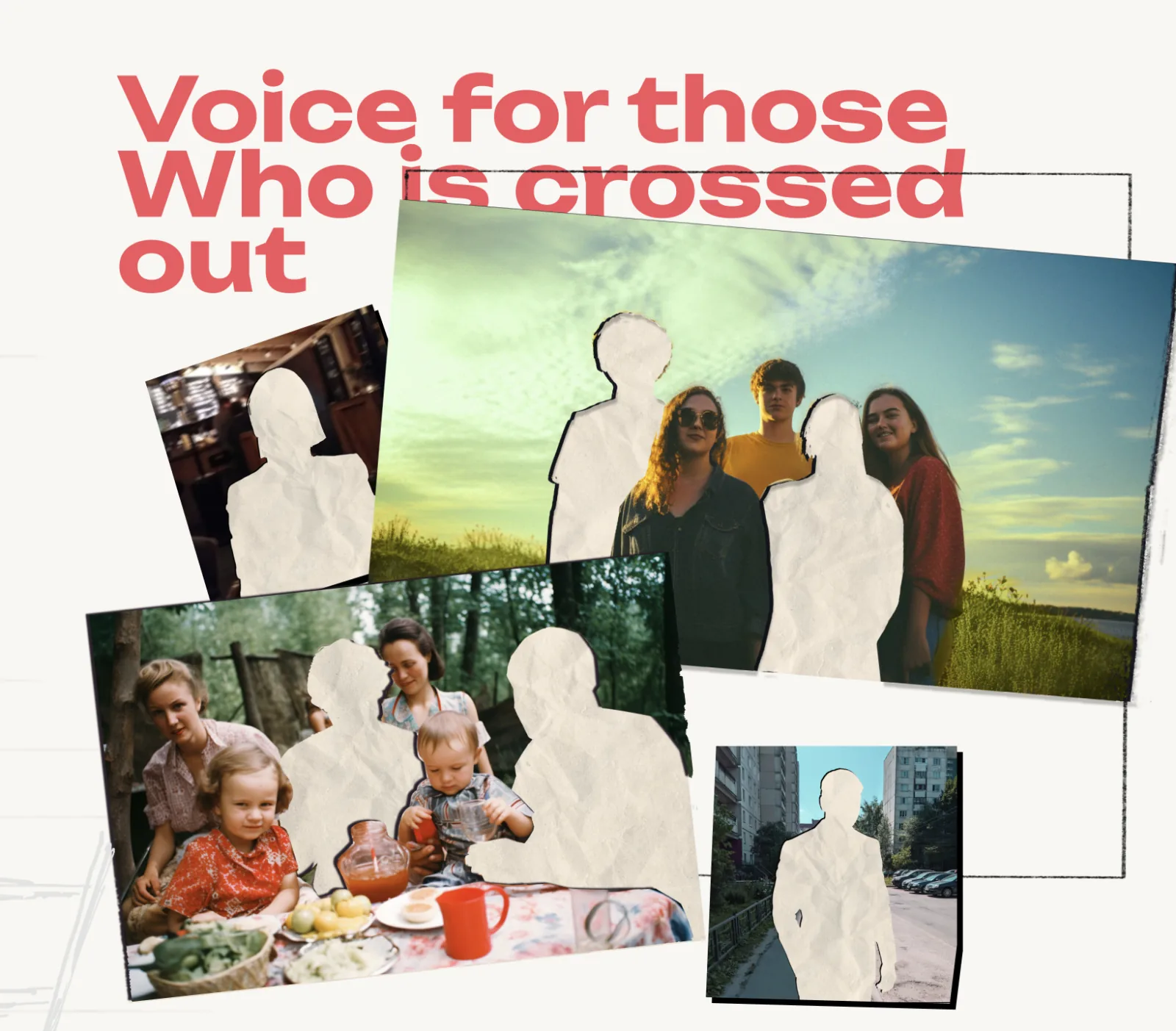
Cut‑out silhouettes
A visual metaphor for interrupted lives, built from Midjourney‑generated ’90s‑style photos. It echoes paper letters and collage.
Why: to balance warmth with the weight of absence and to humanise statistics.
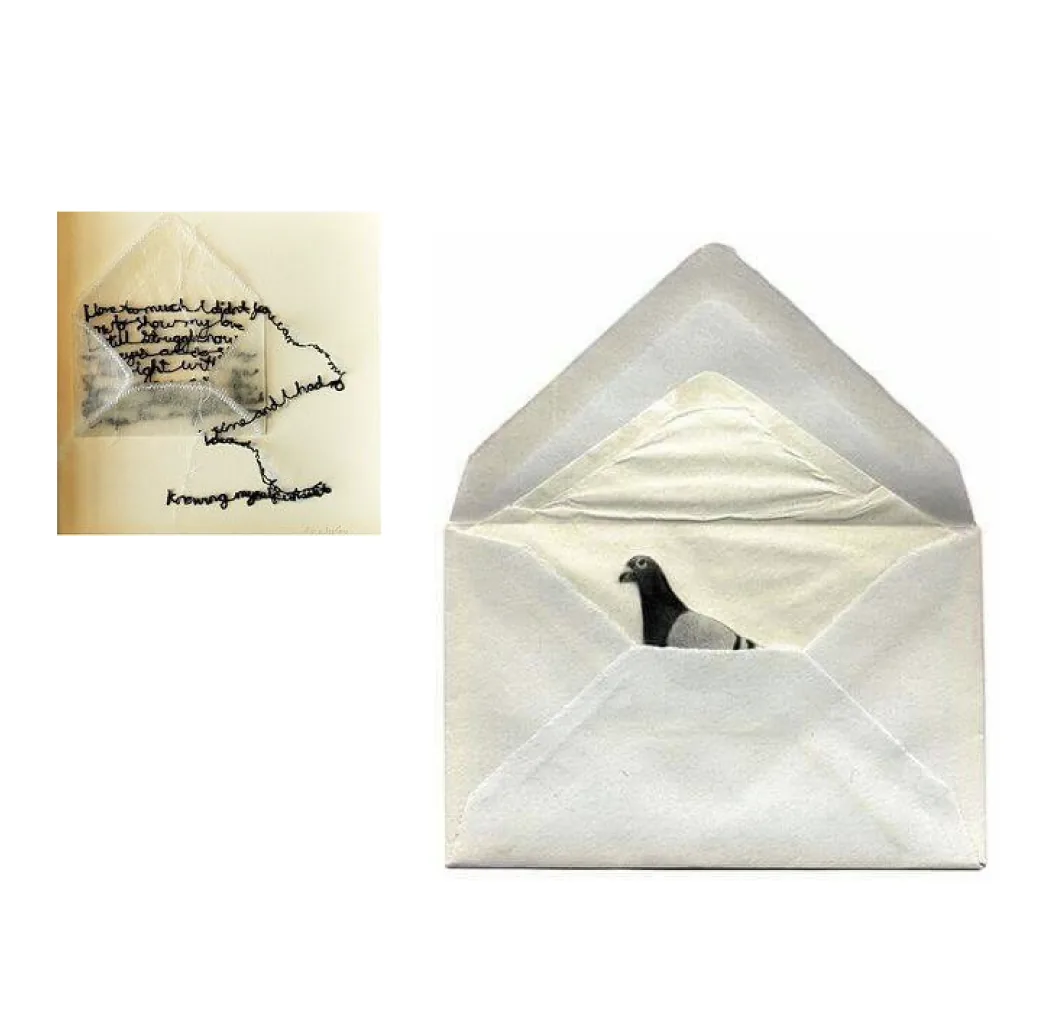
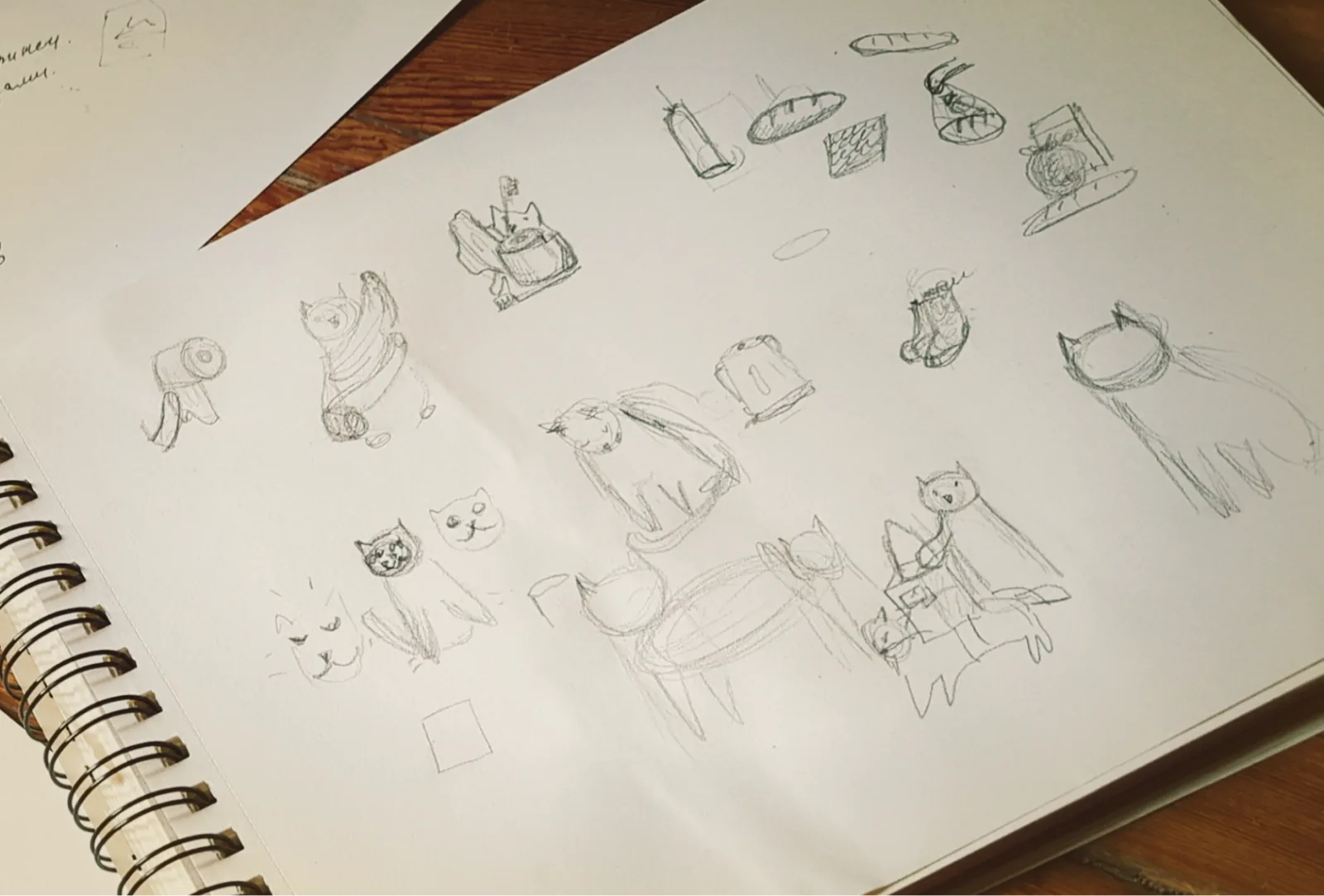
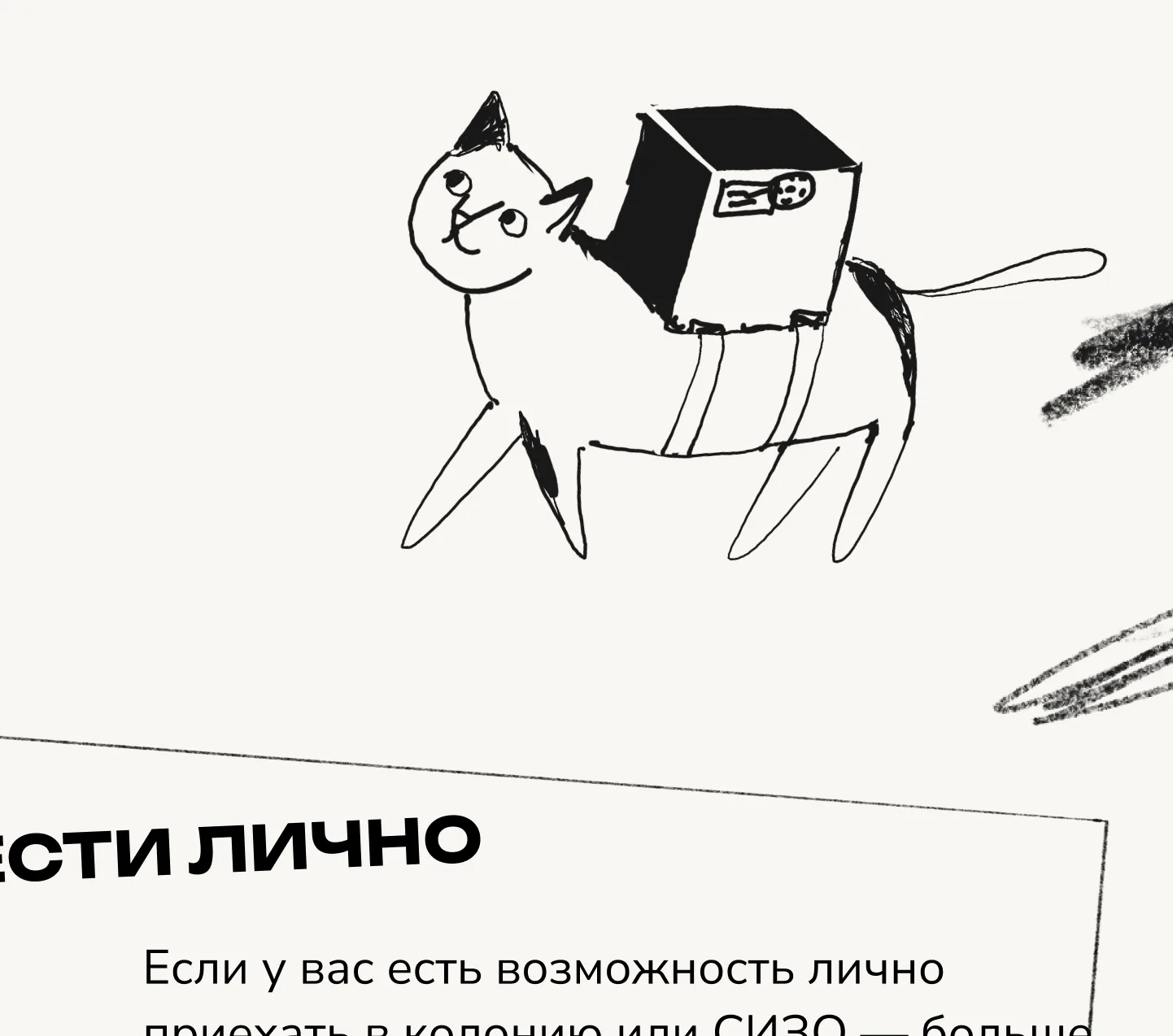
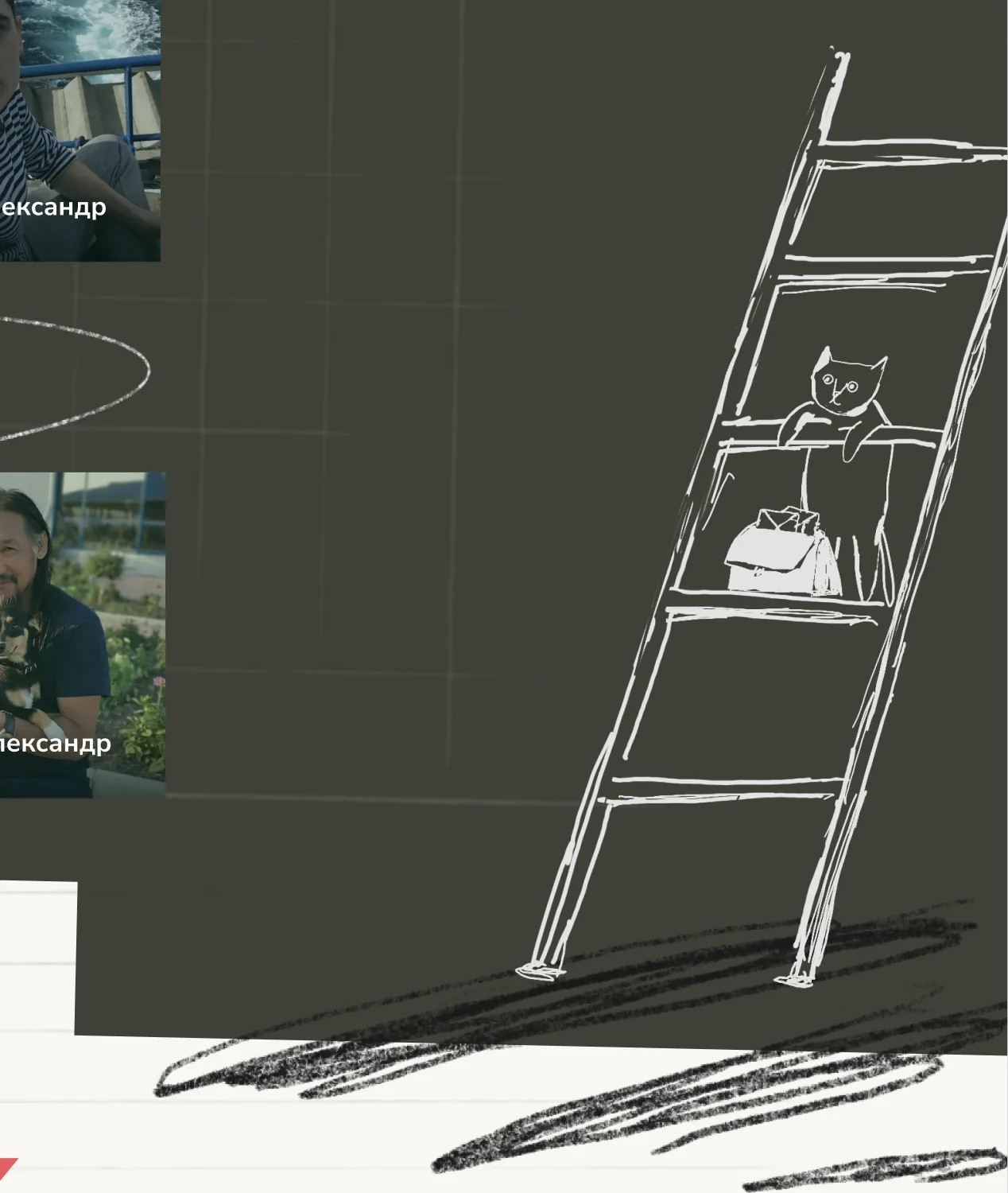
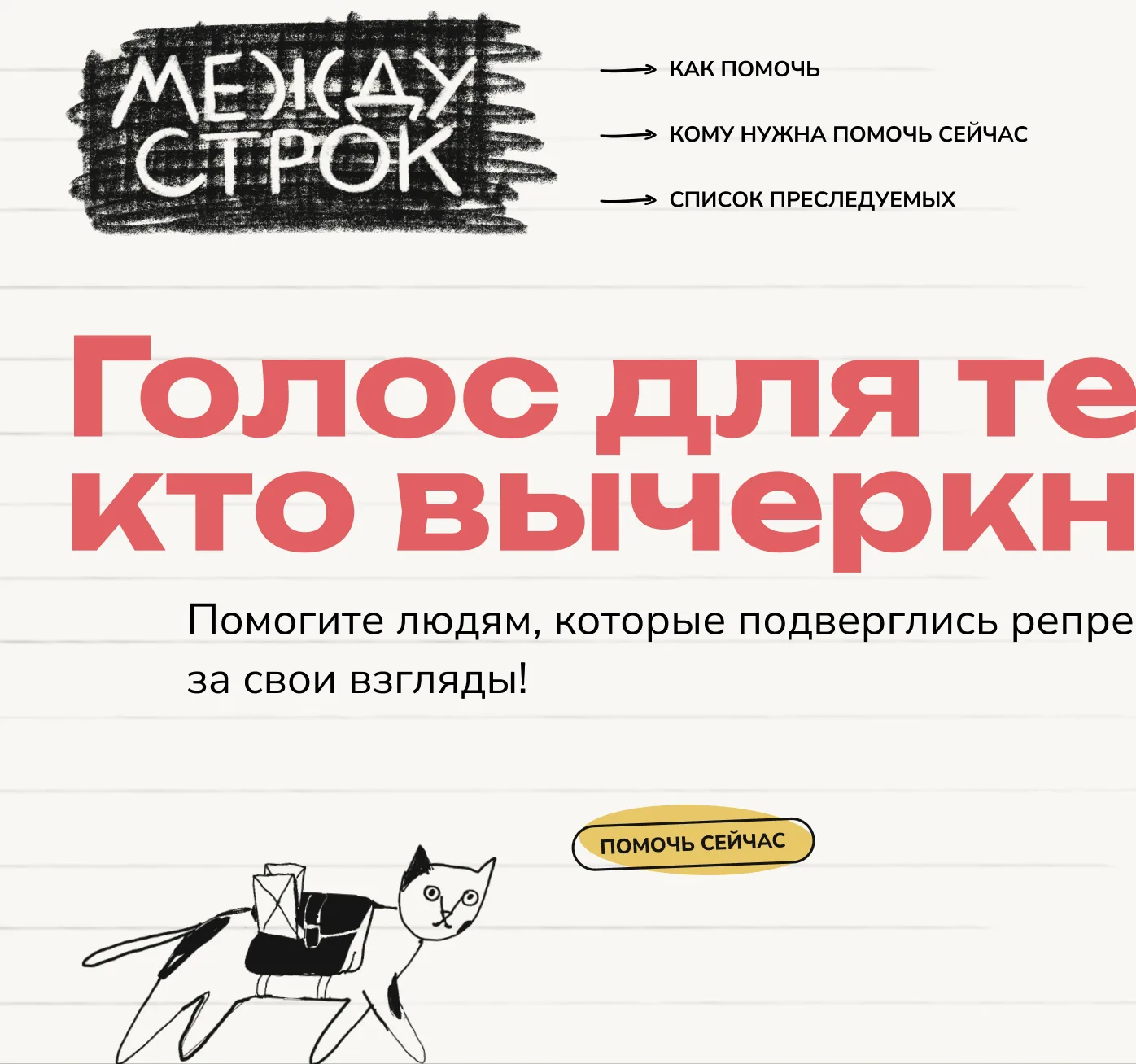
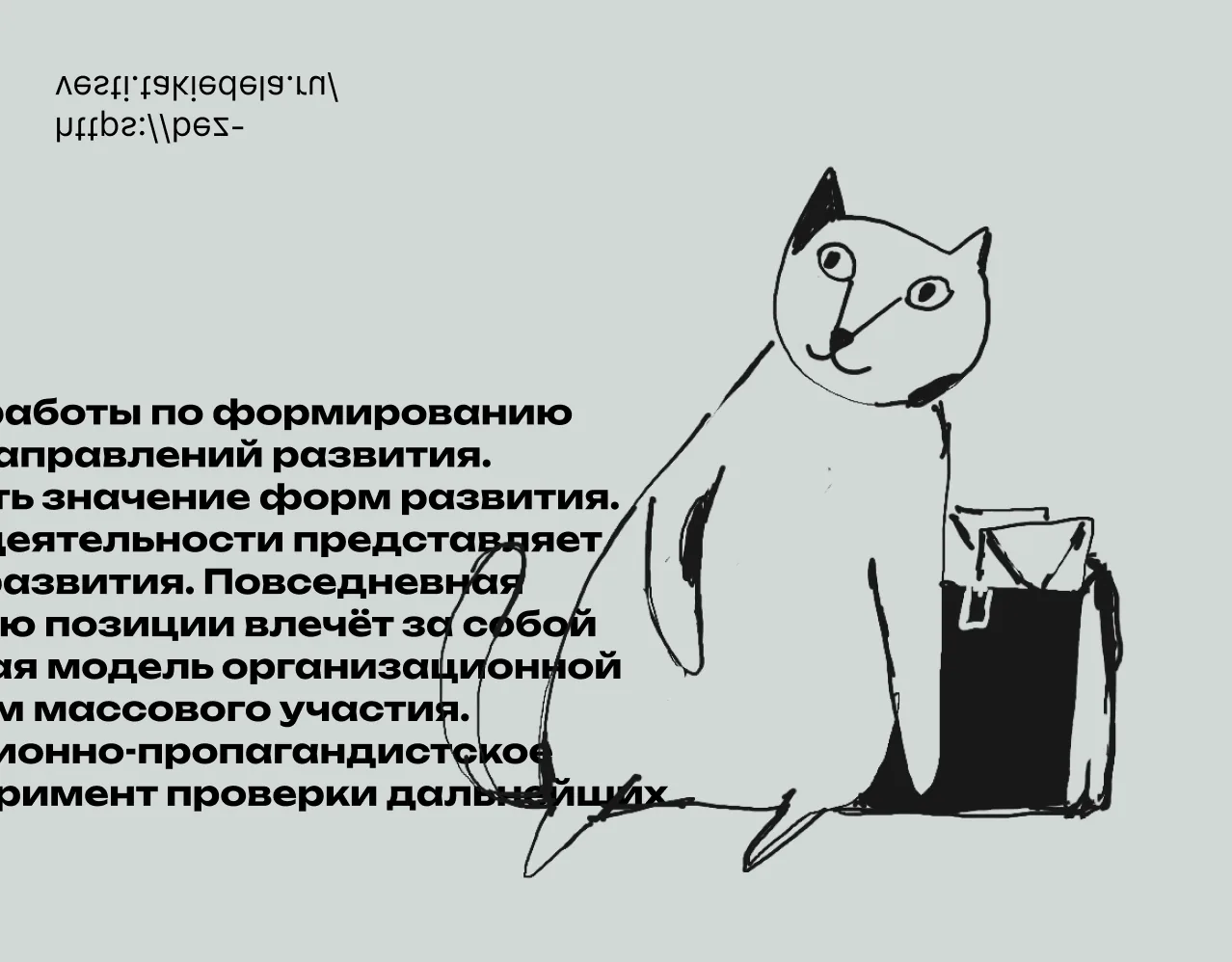
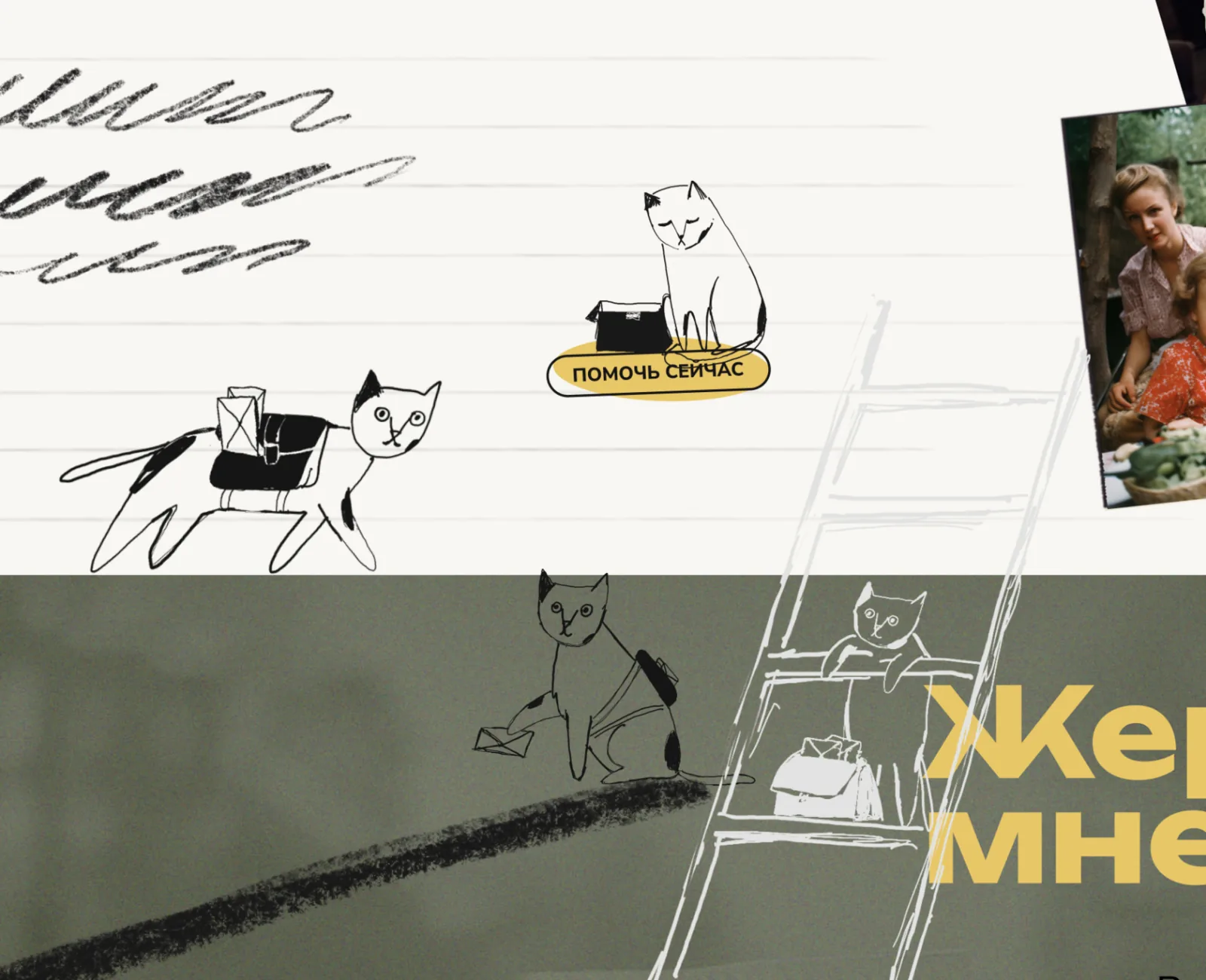
Prison‑cat postman mascot
Inspired by real jail cats that deliver notes. The cat gives micro‑feedback and guidance.
Why: to add personality, reduce intimidation, guide newcomers and encourage repeat actions.
Hand‑written UI language
Lined‑paper textures, pencil doodles, warm colours and friendly typography.
Why: to create tactile intimacy, counter the harsh subject and keep the atmosphere hopeful.
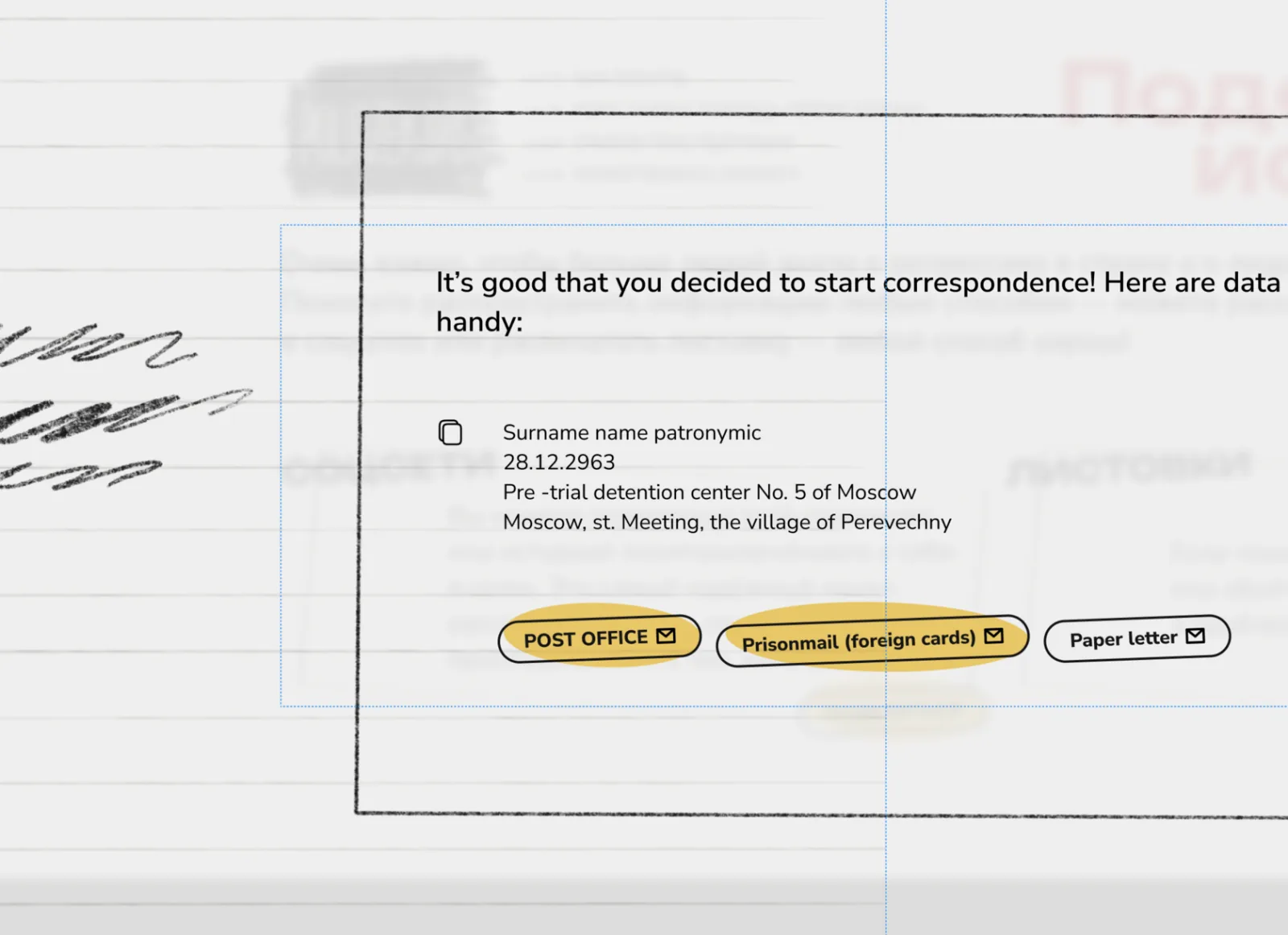
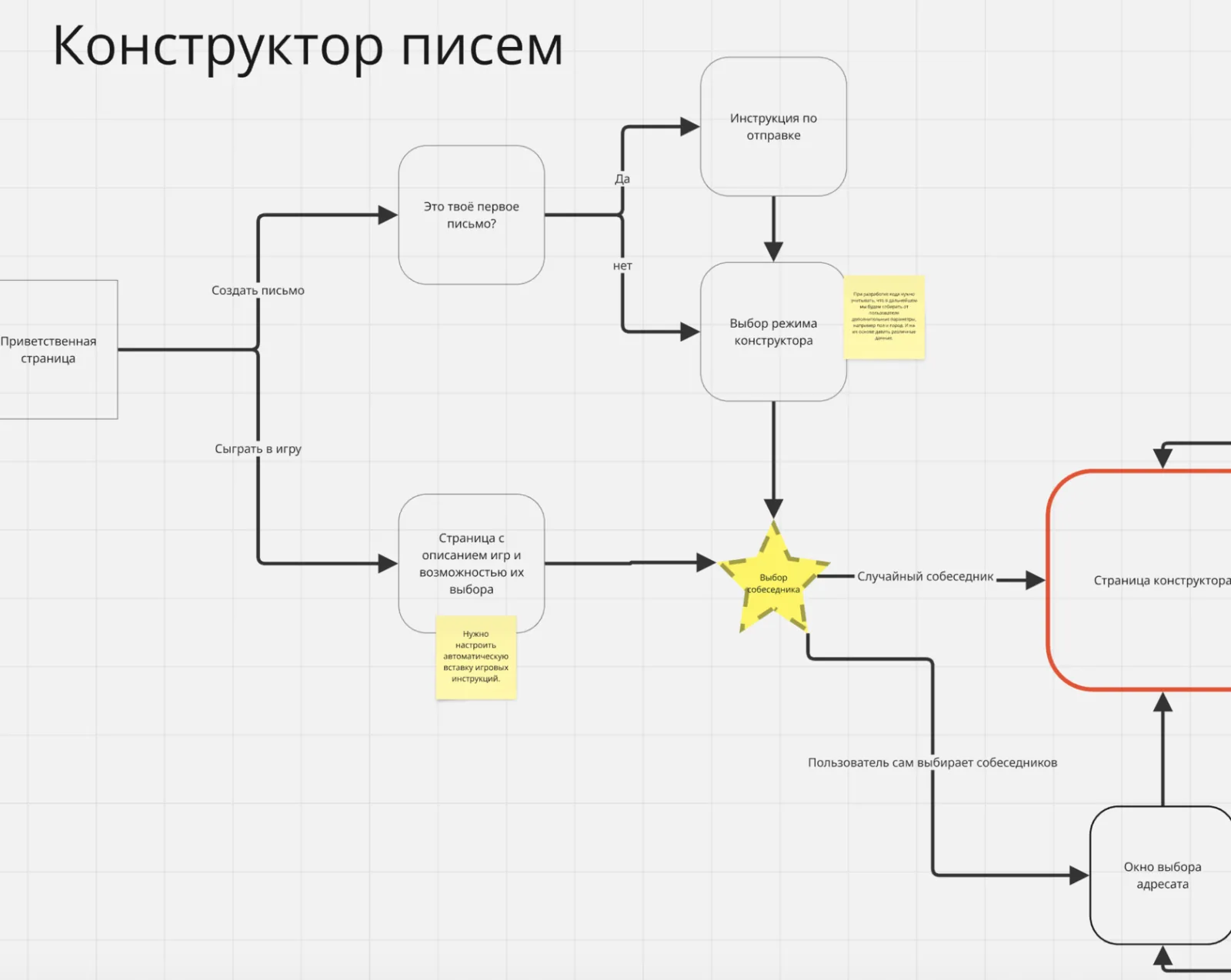
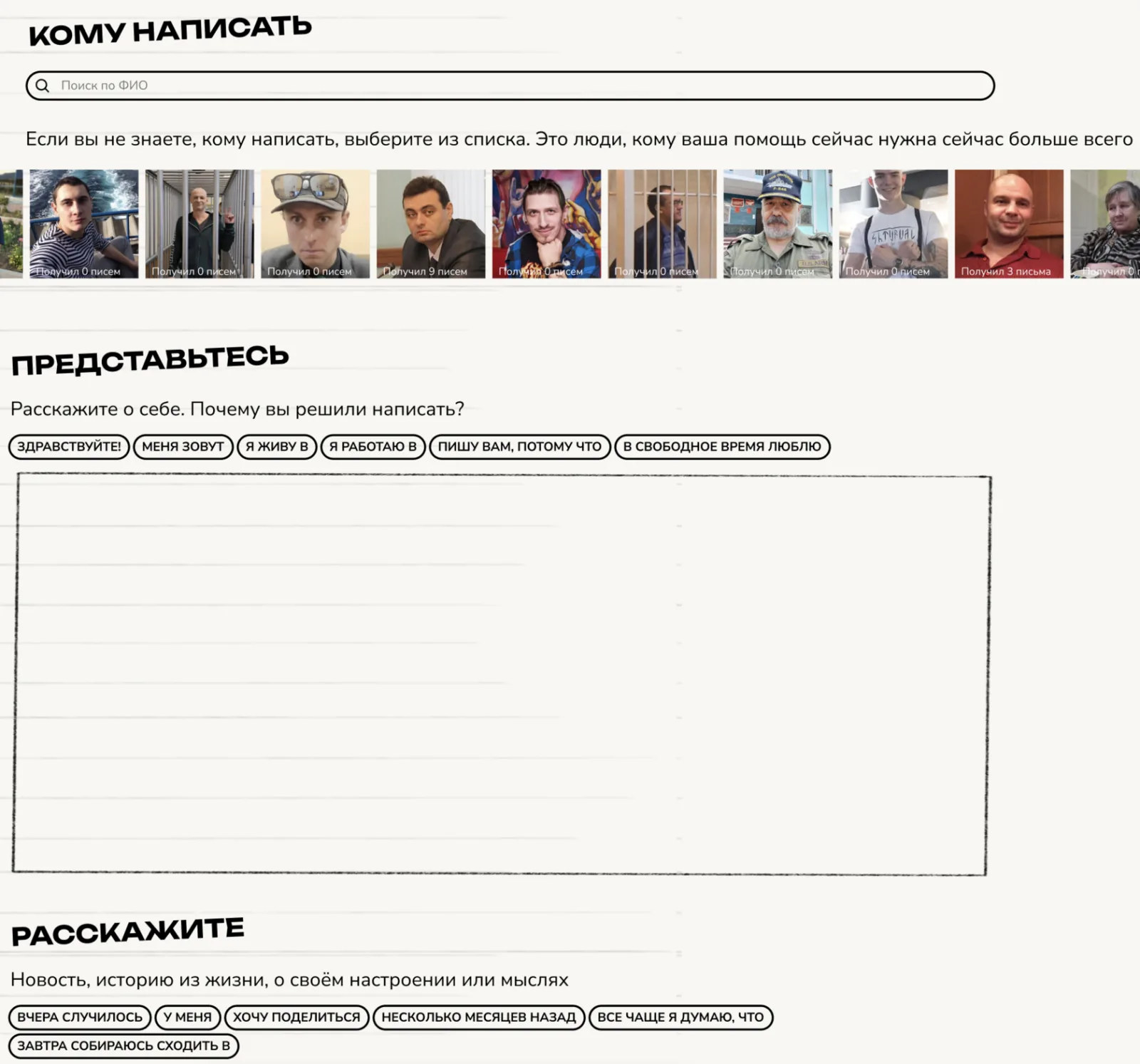
Letter builder wizard
A step‑by‑step flow with preset phrases, prompts and an optional news digest attachment.
Why: to beat writer’s block, simplify the process and increase the number of letters.
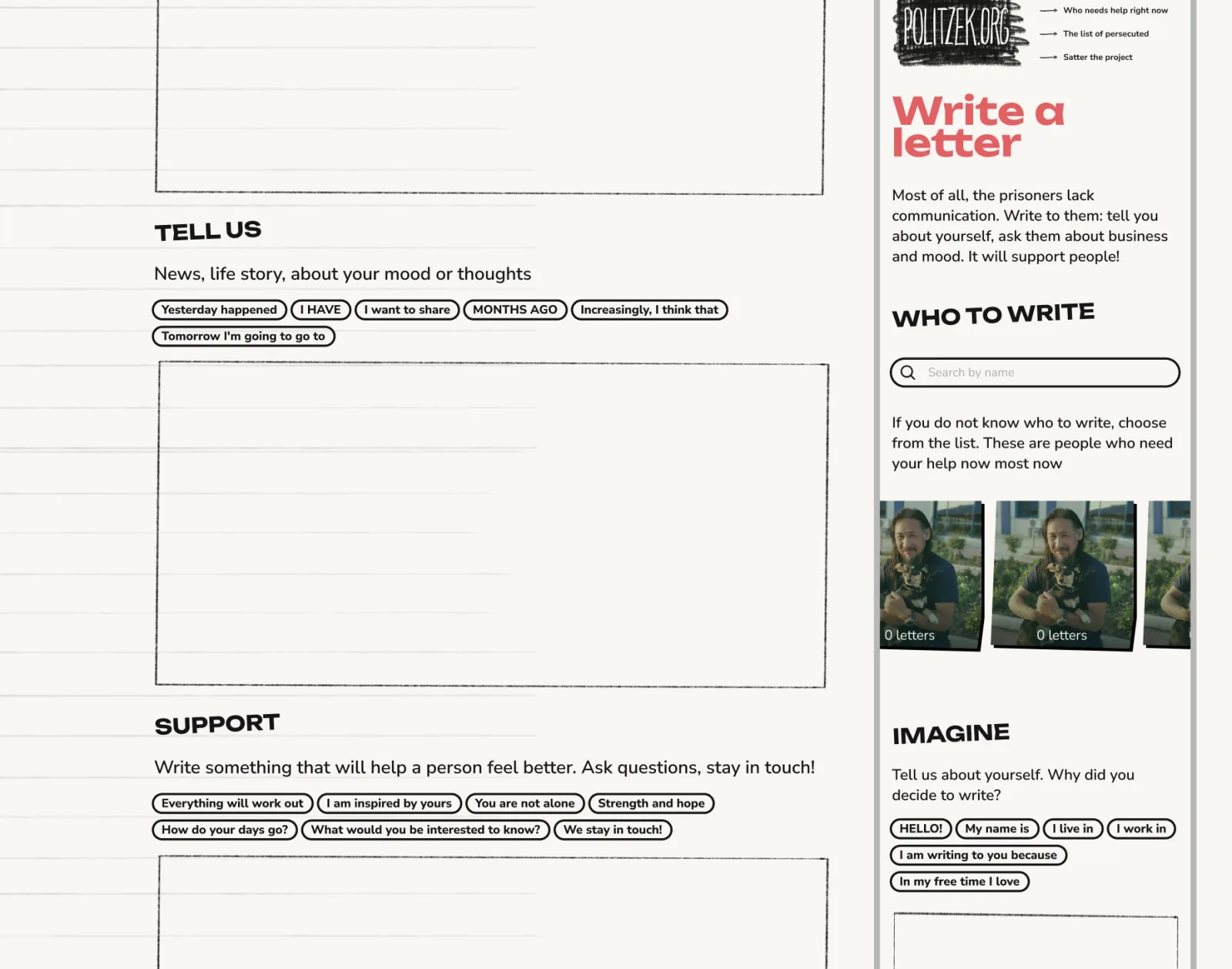
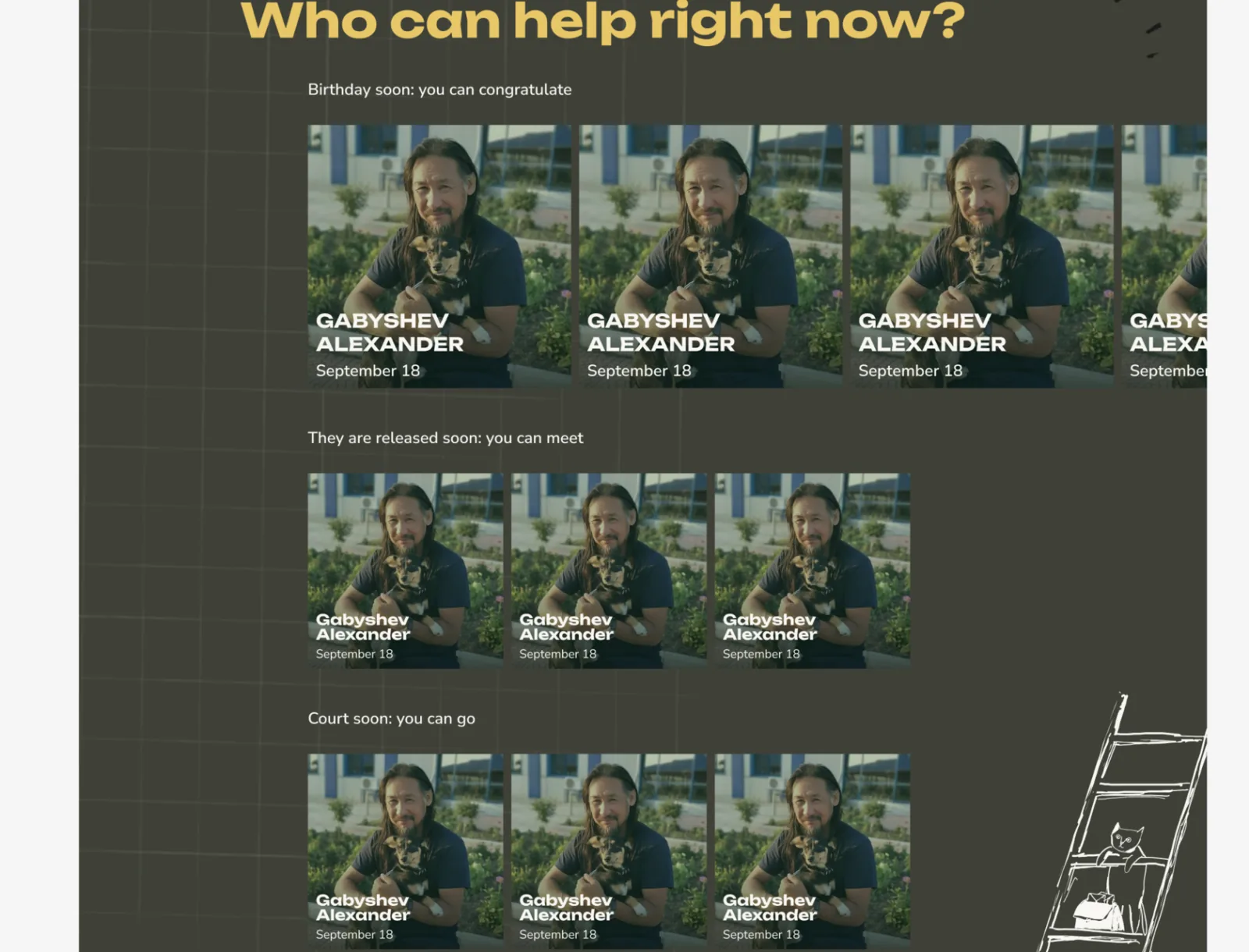
Event triggers
Birthdays, court dates and release dates surface on the home page and in profiles.
Why: to give a timely reason to act now and sustain engagement.
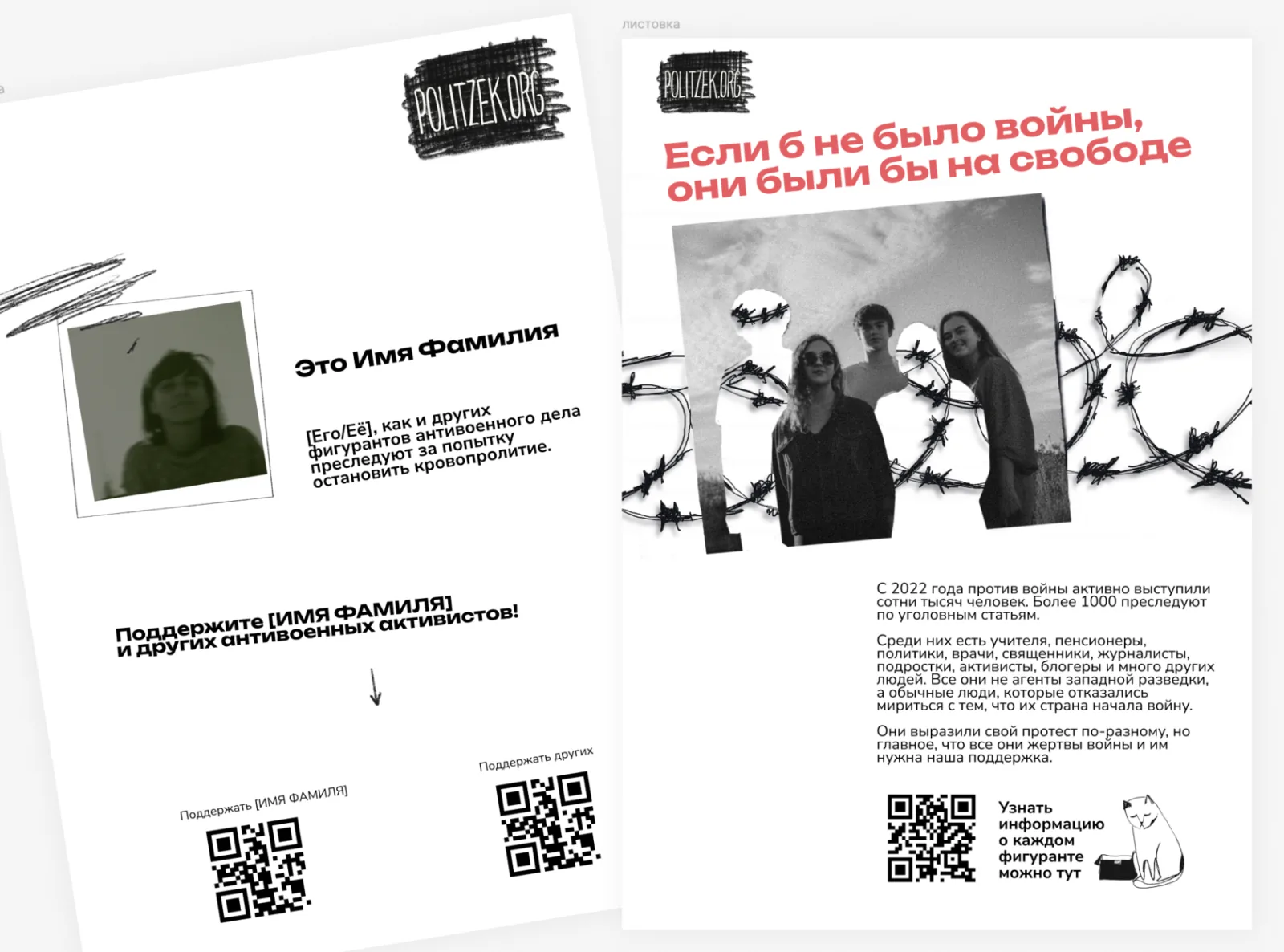
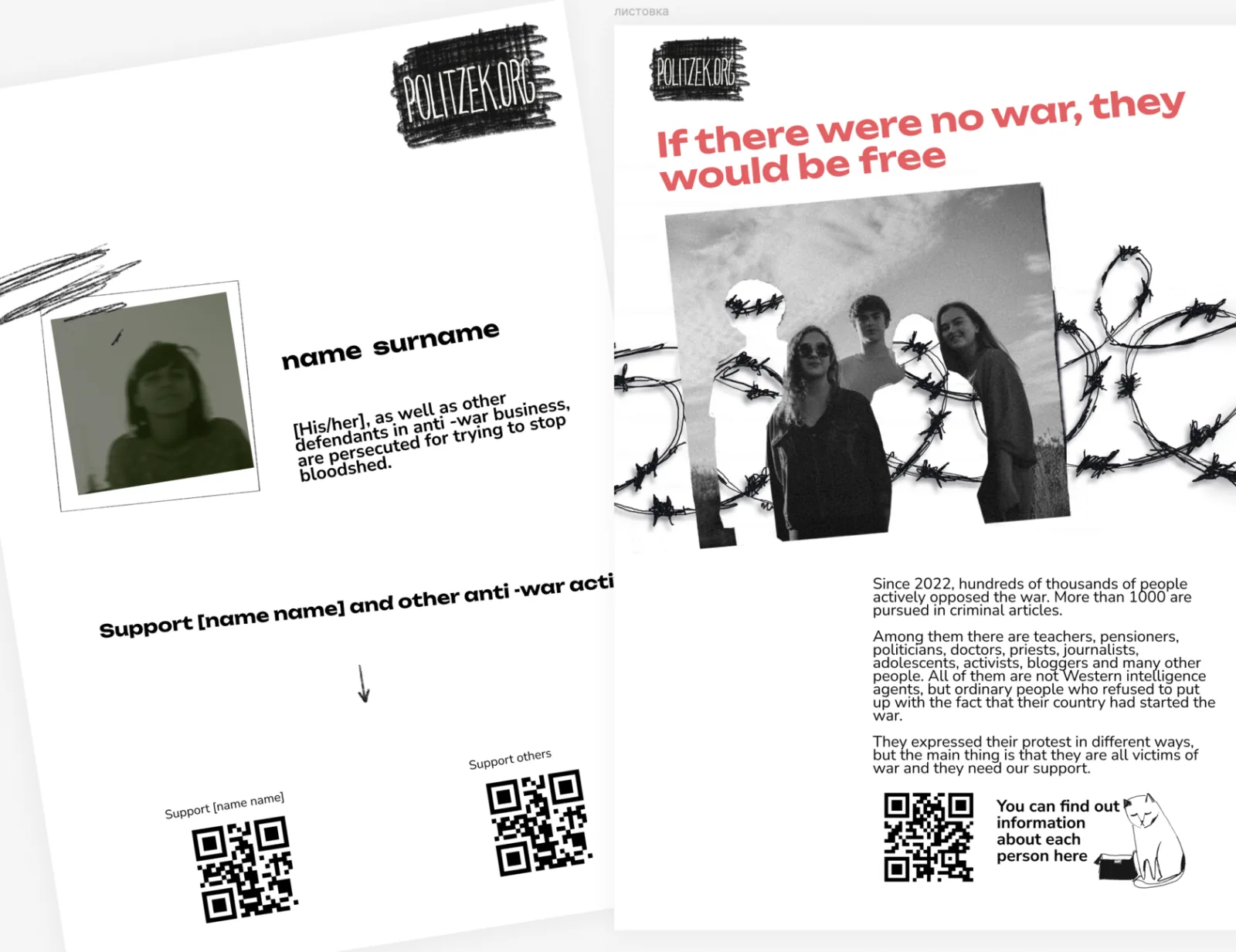
Poster generator and share cards
Automated templates for printable flyers, general or about a specific prisoner, and social media cards.
Why: to extend advocacy offline and online at zero cost and support grassroots action.
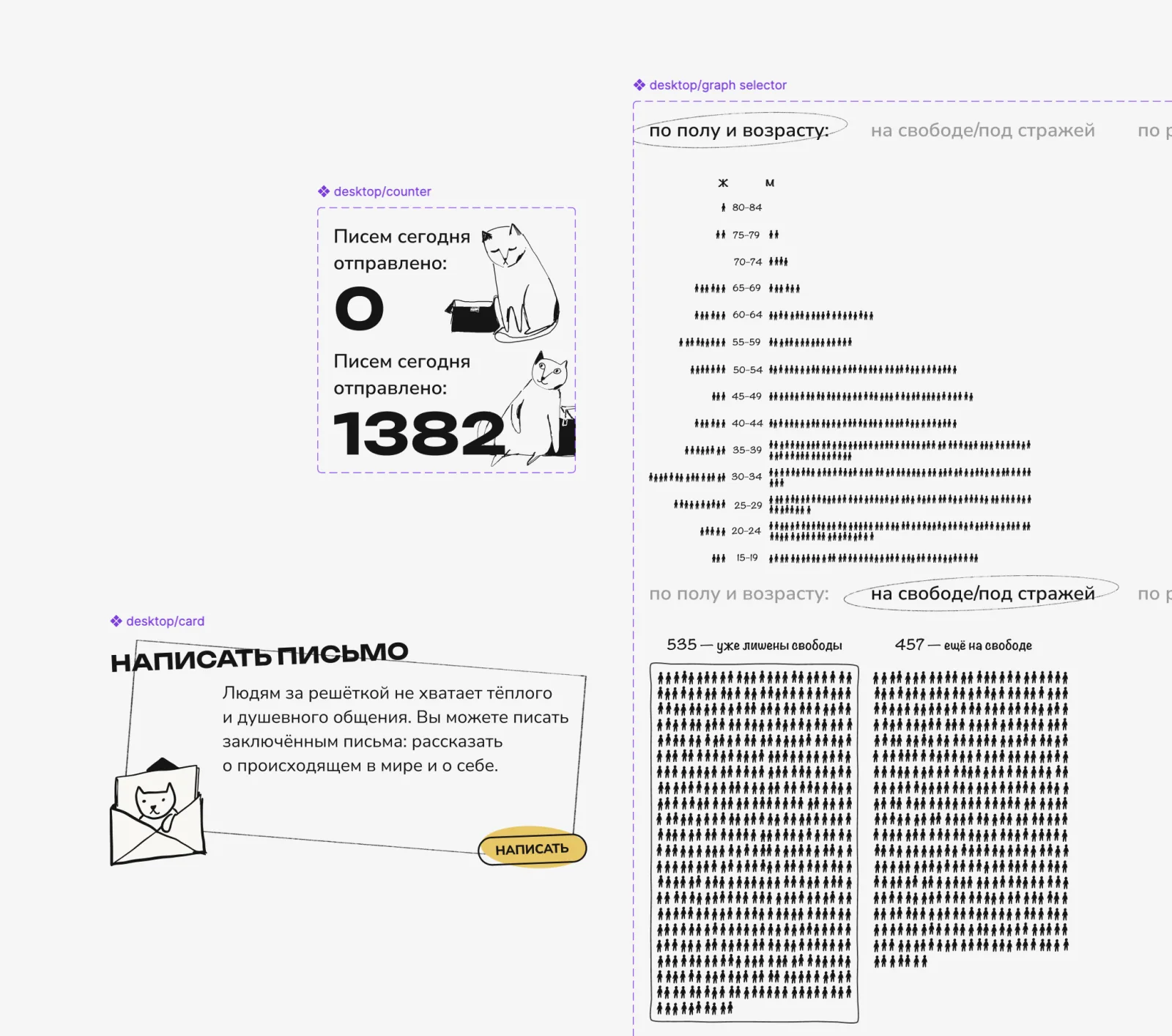
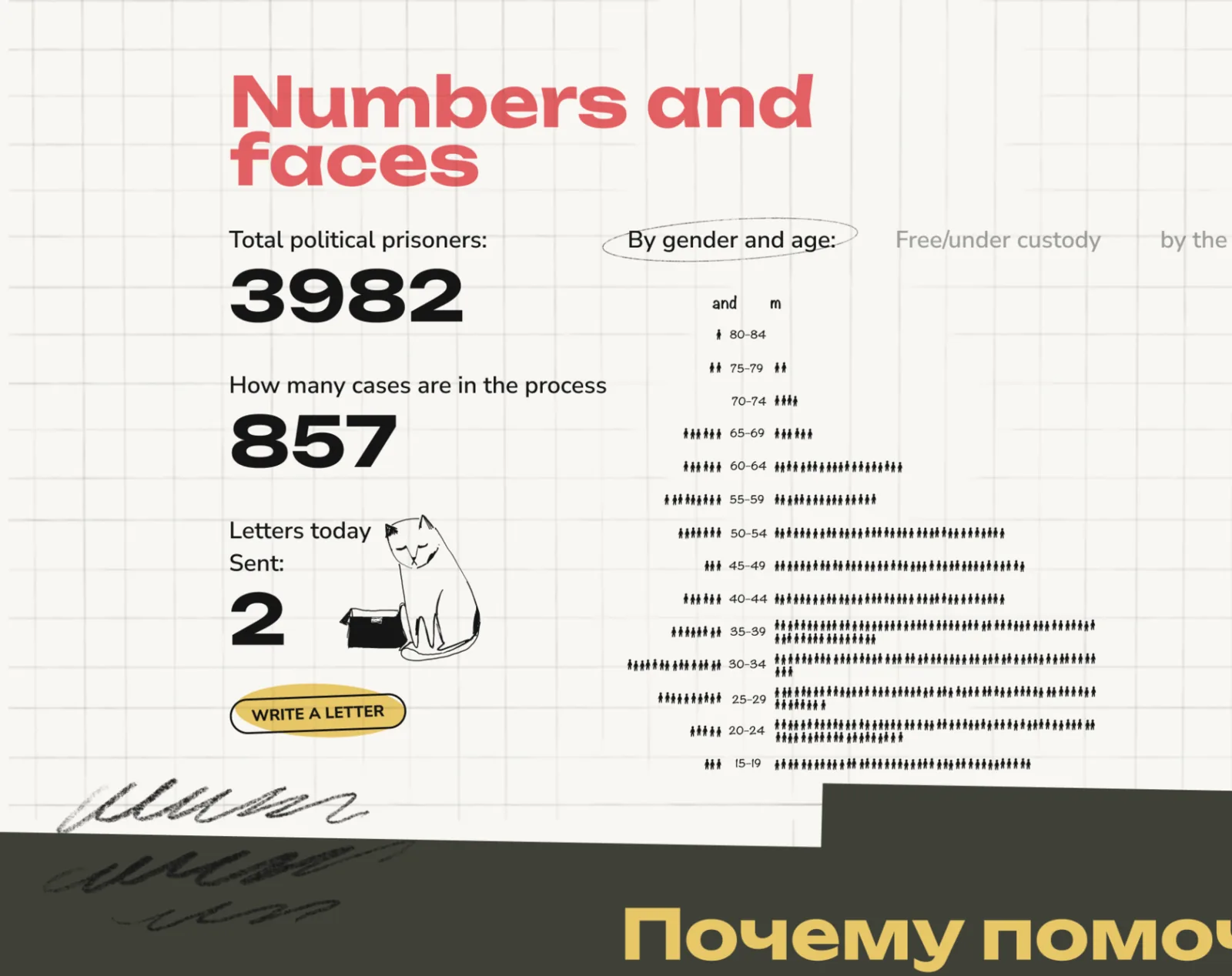
Impact counters
Real‑time counters for letters and donations on the home page.
Why: to show public proof of collective effort and motivate newcomers.
System, tone and handoff
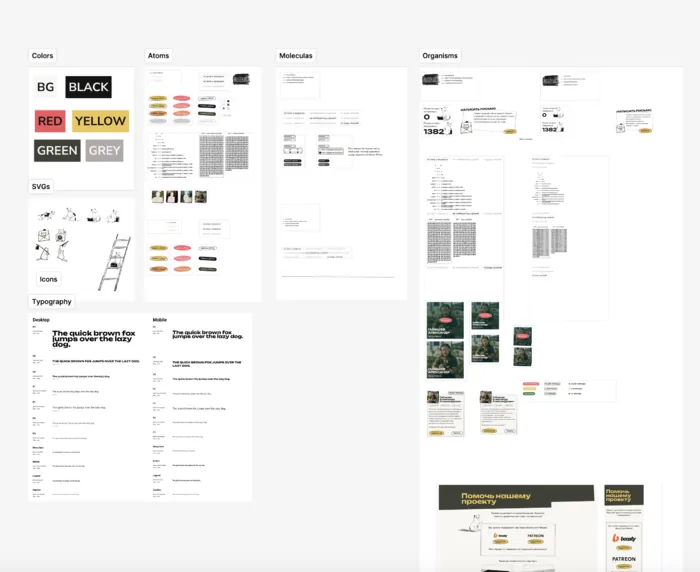
UI kit
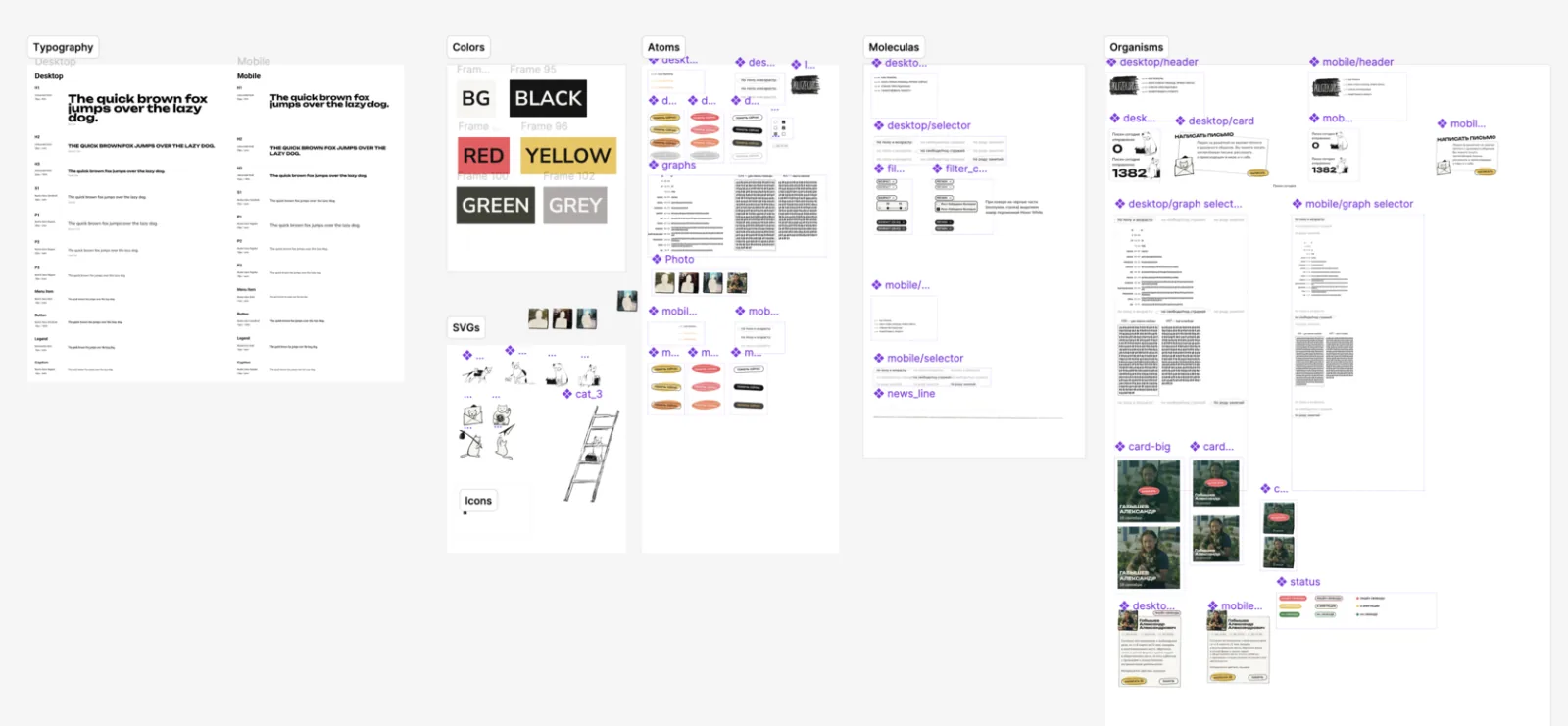
A Figma library of colours, type, buttons, states, mascot variations and cards. Loose, but enough for the team to build from.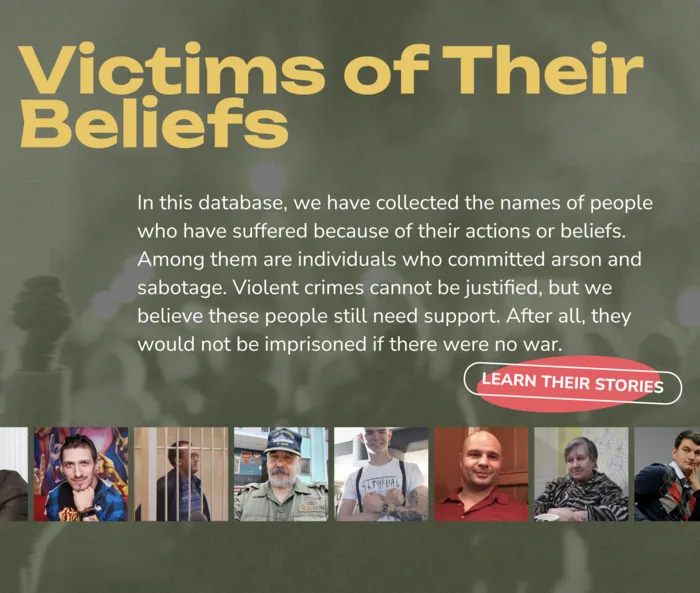
Story and tone
I brought in a UX writer so the microcopy stayed hopeful and supportive, and ran quick guerrilla reviews with diaspora activists.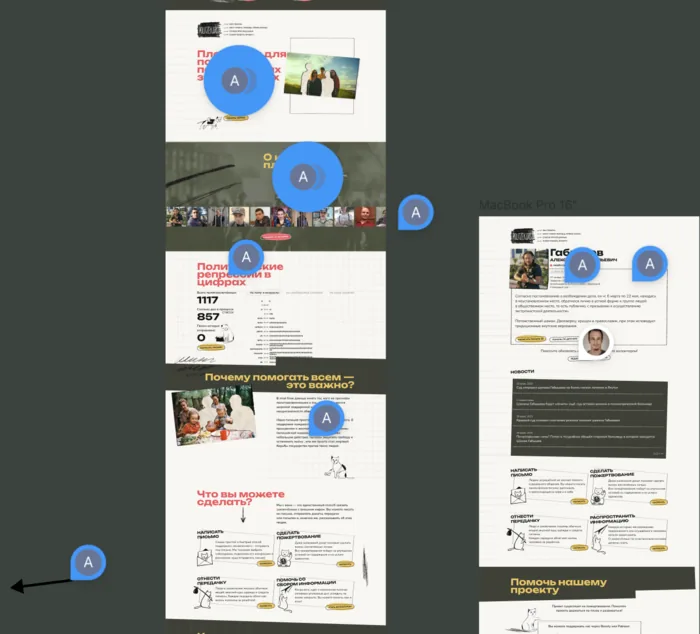
Handoff
Figma comments, Slack and weekly demos with developers. We iterated on technical constraints and QA feedback, especially around VPN latency and censorship.Challenges
Volunteer constraints
Limited team availability stretched timelines.
Funding uncertainty
Relying on donations is a constant threat to sustainability.
Implementation gaps
Some designed features, like personal dashboards, were never built. The letter builder was later switched off as needs and constraints changed.
External pressure
Blocking by Roskomnadzor, the Russian state censor, confirmed the site’s impact but restricted access inside Russia, so VPNs and mirrors became necessary.
Style versus scalability
The expressive visual style worked for impact but cost more to develop than a modular approach.
Results and impact
Politzek.org launched on February 25, 2024, and quickly became a key resource.
The largest public database of anti‑war political prisoners.
Strong adoption despite VPN requirements inside Russia.
A sign of deep engagement. Source: internal Google Analytics.
Sent through the builder in the first quarter. The feature was later switched off.
Community adoption
Used by letter‑writing groups in several countries and often cited in activist Telegram channels.
Censorship as validation
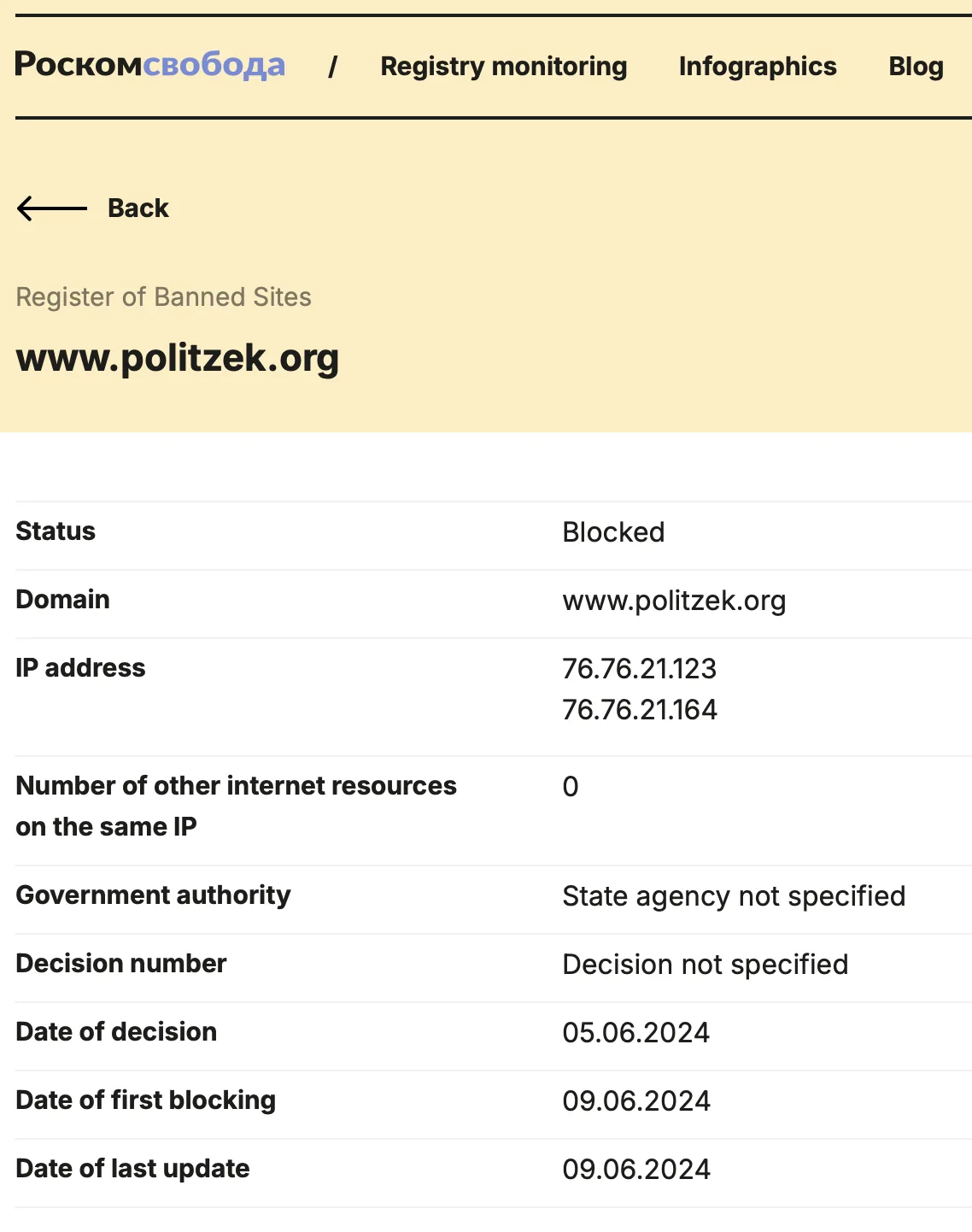
Blocked by Roskomnadzor in June 2024, originally under the name “If There Were No War”, which confirmed its reach.
Recognition and fundraising
Featured by independent media such as Avtozak LIVE and OVD‑Info, which raised visibility and helped fundraising for prisoners.
“Roskomnadzor has blacklisted the Avtozak LIVE project ‘If There Were No War’, a service that tells you whom to support and how.”

“The watchdog blocked the site ‘If There Were No War’, one of the flagship Avtozak LIVE projects.”
“We have filed a lawsuit demanding that Roskomnadzor lift the ban on politzek.org, our service for supporting anti‑war prisoners.”

Lessons learned
Narrative is powerful
The cat and the silhouettes turned an abstract injustice into people with faces, and that got visitors to act.
Small prompts unlock action
The letter builder only removed the blank page, and letters went up 220% in a quarter.
Design for resilience
Expect censorship: optimise for performance with light pages and caching, and plan mirrors early.
Balance emotion and scalability
A strong emotional concept wins hearts and hackathons. Consider the engineering cost early, and modularise expressive styles for volunteer teams.
Impact beyond metrics
Usage dropped after the block. The censor’s reaction is its own proof that the site mattered.
Key takeaway
People wanted to help political prisoners and stopped at the first practical question: whom, how, what to write. Politzek answered those questions on one site. Letters through the builder went up 220% month over month in the first quarter, and 60% of sessions come from people who return.